
Hesperidin Benefits, Uses, and Buying Guide

Skin that looks dull, tired, or uneven can make any routine feel frustrating. Hesperidin is one citrus-derived compound many shoppers notice in supplements and brightening formulas. Because ingredient labels can feel confusing, a clear guide helps you shop with more confidence.
What Is Hesperidin?
Hesperidin is a natural plant compound found mainly in citrus fruits. It belongs to a group called flavonoids, which help plants handle stress. Research shows citrus peels and the white pith contain higher amounts than the juicy center.
Because of its source, shoppers often see it described as a citrus flavonoid ingredient. Oranges, lemons, tangerines, and grapefruits all contain related flavonoids. However, the exact amount changes by fruit type, growing area, and processing method.
Hesperidin occurs in foods as a glycoside, which means it has a sugar part attached. Gut bacteria can change it into hesperetin, a form the body can absorb more easily. This means food intake and gut health may affect how the body handles it.
Why Citrus Plants Make It
Citrus plants make flavonoids as part of their natural defense system. Studies show these compounds help protect plant tissues from light, microbes, and stress. That plant role helps explain why researchers study them for antioxidant effects in people.
Antioxidants help manage free radicals, which are unstable molecules made during normal body processes. Too many free radicals can stress cells over time. However, antioxidants from food work best as part of a varied diet.
Where Shoppers See It
Hesperidin appears in dietary supplements, drink powders, wellness blends, and some skin care products. Supplement labels may list it alone or with vitamin C, diosmin, or other citrus bioflavonoids. Skin care labels may place it in serums, creams, or eye products.
Because it has more than one use case, the form matters. A capsule aims to support internal wellness. A topical product aims to support skin appearance from the outside.
Recommended Products
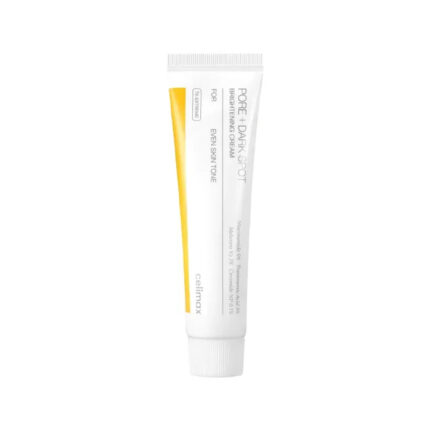 Sale
SaleOriginal price was: ৳ 1,790.00.৳ 1,590.00Current price is: ৳ 1,590.00.
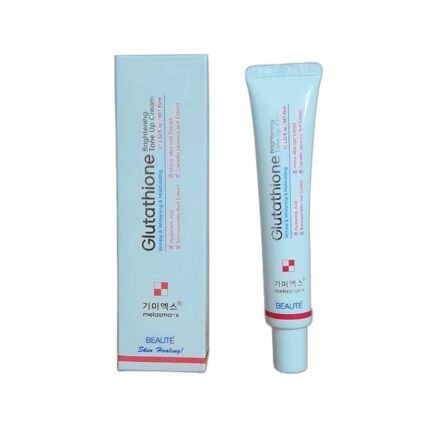 Sale
SaleOriginal price was: ৳ 1,250.00.৳ 950.00Current price is: ৳ 950.00.
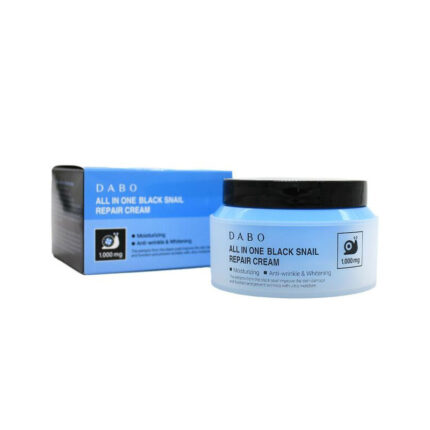
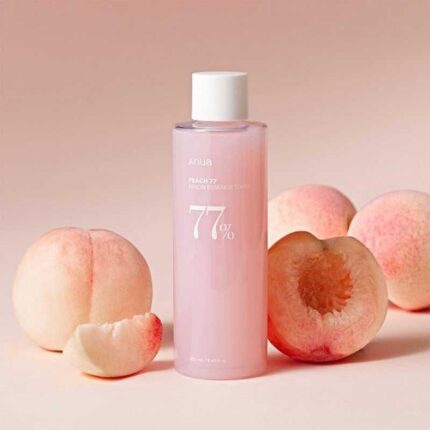 Sale
SaleOriginal price was: ৳ 3,380.00.৳ 2,366.00Current price is: ৳ 2,366.00.
How Hesperidin Works in the Body
Hesperidin interests researchers because it may support antioxidant balance and blood vessel function. Studies indicate citrus flavonoids can affect cell signaling pathways linked with inflammation. This does not mean they treat disease.
When you eat citrus or take a supplement, digestion must break the compound down first. Gut microbes play a key role in this process. As a result, two people may absorb different amounts from the same dose.
Researchers also study its relationship with vitamin C. Citrus fruits naturally contain both nutrients. Because vitamin C supports collagen formation, many wellness products pair it with citrus bioflavonoids.
Antioxidant Support
Hesperidin may help support the body’s antioxidant network. Laboratory studies show it can interact with oxidative stress markers. However, lab findings do not always match results in daily life.
Food-based antioxidants work through many pathways. They do not act like a single shield inside the body. Instead, they help support normal cell defense when paired with sleep, movement, and balanced meals.
Circulation and Vessel Tone
Research indicates citrus flavonoids may support healthy blood vessel function. Blood vessels need flexibility to move blood well. This is one reason Hesperidin appears in some circulation-focused supplements.
Some formulas combine it with diosmin, another citrus-derived flavonoid. Clinicians have studied that pairing for vein health in specific settings. Still, shoppers should not treat supplement labels as medical advice.
Inflammation Pathways
Inflammation is a normal immune response, but long-term stress can affect comfort and appearance. Studies show flavonoids may influence pathways involved in inflammatory signaling. Yet human results can vary by dose, diet, and health status.
For everyday shoppers, this means expectations should stay realistic. Hesperidin may support normal wellness systems. It should not replace care for swelling, pain, or diagnosed health problems.
Skin Benefits of Hesperidin
Hesperidin has gained attention in beauty products because oxidative stress can affect visible skin tone. Sun exposure, pollution, and poor sleep can make skin look uneven. Antioxidant ingredients may help support a fresher look over time.
Some brands describe it as an antioxidant brightening compound. That phrase points to its role in formulas made for dullness and uneven tone. However, brightening does not mean bleaching the skin.
Dermatologists often recommend daily sunscreen for any brightening routine. Without sun protection, dark spots may keep returning. Because of that, Hesperidin works best as a support ingredient, not a stand-alone fix.
Brighter-Looking Tone
Hesperidin may help skin look more radiant by supporting antioxidant defense. Research links oxidative stress with visible dullness and uneven tone. This makes antioxidant care useful for many shoppers.
Brightening products often mix several ingredients. Vitamin C, niacinamide, licorice root, and exfoliating acids may also appear. When a formula includes too many actives, sensitive skin may react.
Barrier Comfort
A healthy skin barrier helps hold water and block daily irritants. Studies show plant polyphenols can support skin comfort in some topical settings. Hesperidin may fit into creams made for stressed-looking skin.
However, product texture also matters. A rich cream may help dry skin feel calmer. A light serum may suit oily skin better.
Under-Eye Appearance
Some eye creams include Hesperidin because tired-looking under-eyes can relate to circulation and thin skin. The area also shows dryness fast. Gentle formulas matter because eye-area skin often reacts easily.
Still, dark circles have many causes. Genetics, sleep, allergies, and facial structure all play a role. So an eye cream may improve appearance without removing the cause.
Hesperidin in Supplements
Hesperidin supplements appeal to shoppers who want citrus flavonoids without eating large amounts of peel. Most products come as capsules, tablets, or powders. Labels often state the amount per serving in milligrams.
Research studies have used different doses and forms. Because results depend on the exact product, one label cannot represent every option. This means shoppers should compare facts panels carefully.
Many supplements pair Hesperidin with vitamin C. That pairing reflects how citrus nutrients naturally occur in food. However, a supplement should support a healthy pattern, not cover a poor diet.
Common Supplement Forms
Capsules are simple and suit people who want a fixed serving. Powders may work for shoppers who prefer drinks. Tablets can contain binders, so sensitive users may want a short ingredient list.
Hesperidin may also appear in citrus bioflavonoid complexes. These blends can include rutin, quercetin, naringin, or eriocitrin. Because blends vary, check the amount of each active compound when possible.
Micronized Products
Some products use micronized particles, which means the material has a smaller particle size. Smaller particles may dissolve differently than standard powders. Research on micronized flavonoid blends has explored absorption and vein support.
This does not mean every micronized product works better. Quality, dose, and testing still matter. When claims sound too strong, choose a more careful brand.
Food Versus Capsules
Whole citrus offers fiber, water, vitamin C, and many plant compounds. Supplements offer a more direct amount of one ingredient. Both approaches can fit different needs.
Because food provides a wider nutrient mix, many experts suggest starting with diet first. Orange segments, zest, and small amounts of pith can add useful compounds. Capsules may help when shoppers need a consistent serving.
How to Choose a Hesperidin Product
Choosing Hesperidin can feel tricky because labels use many similar terms. Some list citrus bioflavonoids, while others name hesperetin or diosmin. Each term points to a different form or blend.
Because quality varies, focus on transparency first. A strong product label states the serving size, active amount, and full ingredient list. It should avoid vague promises and dramatic health claims.
Third-party testing can also help. Independent testing checks for identity, purity, and sometimes contaminants. Not every good brand uses the same seal, but clear quality details build trust.
Check the Active Amount
Look for the exact amount of Hesperidin per serving. Some labels hide it inside a proprietary blend. That makes it harder to compare products fairly.
When a label lists a blend only, you cannot know the real amount. This may not suit shoppers who track intake. A clear facts panel supports better decisions.
Review the Full Formula
Many products contain more than one active ingredient. For example, vitamin C may support collagen formation, while citrus bioflavonoids support antioxidant balance. The blend should match your goal.
However, more ingredients do not always mean better results. Extra herbs or stimulants may raise the risk of side effects. Simple formulas can be easier to understand.
Match the Product to Your Goal
If your goal is skin brightness, consider whether you want a topical product or a supplement. A serum works on the skin surface. A capsule supports internal intake.
Hesperidin in skin care may suit people who already use sunscreen. A supplement may suit those seeking citrus flavonoids for general wellness. Still, your routine and health history should guide the choice.
Look at Brand Standards
Trustworthy brands answer basic quality questions clearly. They explain sourcing, manufacturing practices, and testing steps. Research-backed brands also avoid promises that sound too fast or too broad.
Because supplements do not go through the same approval path as medicines, brand standards matter. Shoppers should be careful with products that claim to cure problems. A measured claim usually signals a more responsible company.
How to Use Hesperidin Safely
Hesperidin from food is common in normal citrus intake. Most people eat citrus flavonoids without concern. Supplements, however, provide more concentrated amounts than a typical serving of fruit.
Because concentrated products may affect people differently, start with the label directions. Avoid stacking several products with the same active ingredients. This helps lower the chance of taking more than intended.
People with medical conditions should ask a clinician first. That step matters for shoppers who use blood pressure medicine, blood thinners, or prescription drugs. Research suggests flavonoids can affect body systems that overlap with some medications.
Possible Side Effects
Some users report mild digestive issues with flavonoid supplements. These may include stomach upset, loose stool, or nausea. Taking products with food may help some people feel better.
Hesperidin can also sit in formulas with other ingredients that cause reactions. A side effect may come from the full blend, not just one compound. So read every label before blaming one ingredient.
Who Should Ask a Professional
Pregnant or nursing shoppers should ask a clinician before using concentrated supplements. People preparing for surgery should also ask about timing. Safety advice may change based on personal health details.
Those with citrus allergies need extra care. Although purified ingredients may differ from whole fruit, allergy risk deserves caution. Stop using any product that causes rash, swelling, or breathing trouble.
Safe Use in Skin Care
Topical Hesperidin products should start with a patch test. Apply a small amount to one area and watch for irritation. This simple step helps protect sensitive skin.
When using brightening products, add one new active at a time. That approach makes reactions easier to trace. Sunscreen should stay in the morning routine because light can worsen uneven tone.
Hesperidin and Everyday Diet
Hesperidin naturally fits a diet that includes citrus fruits. Oranges and mandarins are common sources, especially when some pith remains. Research shows citrus peel and pith can contain more flavonoids than the juice.
Because many people remove the white pith, they may miss some plant compounds. Still, the fruit itself offers value. Whole citrus gives fiber and fluid that juice lacks.
A food-first approach also reduces the risk of overdoing one ingredient. Diet patterns matter more than single nutrients. So citrus can support wellness alongside vegetables, grains, protein, and healthy fats.
Easy Food Ideas
Add orange segments to yogurt, salads, or oatmeal. A little citrus zest can brighten sauces, dressings, or baked dishes. Wash fruit well before using the peel.
When using zest, choose fruit that suits your comfort with peel exposure. Some shoppers prefer organic citrus for zest. However, washing still matters for any fruit type.
Juice, Pith, and Peel
Orange juice can contain some citrus flavonoids, but it lacks whole-fruit fiber. The pith often carries more flavonoids than the juice. Hesperidin intake may rise when you include more whole citrus parts.
Yet eating large amounts of peel does not suit everyone. Peel tastes bitter and may bother digestion. Small amounts of zest offer a practical middle ground.
Diet Patterns That Help
Antioxidant intake works best when meals include many plant foods. Berries, leafy greens, cocoa, tea, herbs, and citrus all bring different compounds. This variety supports a wider nutrient base.
Because no single food covers every need, rotate your choices. Hesperidin can be one helpful part of that pattern. A steady routine usually beats short bursts of strict eating.
What Results Can You Expect?
Hesperidin is not a quick fix, whether you use it in skin care or supplements. Natural compounds often need consistent use and realistic goals. Studies on flavonoids usually track outcomes over weeks or longer.
For skin, the full formula shapes results. A well-made serum may help dullness look softer when paired with sunscreen. However, deep discoloration often needs targeted dermatology care.
For wellness, changes may feel subtle. Many people do not notice a clear sensation from antioxidant support. This means a lack of feeling does not always mean a product does nothing.
Signs a Product Fits You
A good product fits your budget, routine, and tolerance. You should understand why each ingredient appears on the label. The serving directions should also feel practical.
Hesperidin may suit shoppers who already value citrus-derived ingredients. It may also fit people who prefer plant-based antioxidant support. Still, comfort and consistency matter more than trend appeal.
When to Adjust Your Routine
If a skin product stings daily, reduce use or stop. Irritation can harm the barrier and worsen uneven tone. A gentler routine often works better.
When a supplement causes stomach upset, review the dose and timing. Taking it with food may help. If symptoms continue, choose a different product or ask a professional.
What Not to Expect
Hesperidin will not replace sunscreen, sleep, or medical treatment. It also will not erase dark spots overnight. Claims that promise instant results deserve skepticism.
Because skin and wellness depend on many factors, single ingredients have limits. Genetics, hormones, sun exposure, and diet all matter. A smart routine respects those limits.
Who May Benefit Most?
Hesperidin may interest shoppers who want gentle antioxidant support from citrus sources. It can fit beauty routines focused on dullness and wellness routines focused on plant compounds. Research supports continued study, especially around oxidative stress and vessel health.
People who already eat citrus may still choose a product for consistency. Others may prefer food sources because they enjoy whole fruit. Both choices can make sense when matched to real needs.
However, the best candidate is not the person chasing the strongest claim. The best candidate reads labels, starts slowly, and watches results. That approach reduces waste and avoids avoidable irritation.
For Skin Care Shoppers
Hesperidin may suit people with dull, tired-looking skin who want antioxidant support. It pairs well with sunscreen and a gentle moisturizer. Sensitive users should avoid formulas packed with many strong actives.
Dermatologists often suggest simple routines before adding special ingredients. Cleanser, moisturizer, and sunscreen form the base. Brightening support can come after that base feels stable.
For Supplement Shoppers
Hesperidin may suit shoppers who want citrus flavonoids in a measured serving. Look for clear labels and avoid products with extreme claims. A clinician can help if you manage a health condition.
Because supplements can interact with routines and medicines, personal context matters. Your age, diet, medications, and goals all shape the right choice. Careful shopping protects both health and budget.
For Value-Focused Buyers
Price should not drive the whole decision. A cheap product with hidden amounts may offer poor value. A costly product with no testing details may also disappoint.
Instead, compare cost per serving and active amount. Check whether the brand explains testing and sourcing. Hesperidin products with clear facts often make shopping easier.
Frequently Asked Questions
Is Hesperidin the same as vitamin C?
No, Hesperidin is not vitamin C. It is a citrus flavonoid, while vitamin C is an essential vitamin. However, both often appear together in citrus foods and some supplements.
Can Hesperidin brighten skin?
Hesperidin may support brighter-looking skin through antioxidant activity. It works best in a balanced formula with sunscreen, moisturizer, and proven brightening habits. It should not replace treatment for melasma or stubborn dark spots.
Is Hesperidin safe to take every day?
Many people tolerate citrus flavonoids well, especially from food. Daily supplements may not suit everyone, especially people on medications. Ask a healthcare professional if you have a condition or take prescriptions.
What should I look for on a label?
Look for the amount of Hesperidin per serving, the full ingredient list, and quality testing details. Avoid vague blends when you want a specific dose. Choose claims that sound measured and realistic.
Final Thoughts
Hesperidin is best understood as a helpful citrus flavonoid, not a miracle ingredient. It may support antioxidant balance, brighter-looking skin, and general wellness when used wisely. Start with food when possible, then choose clear, tested products that match your goal.