
Macadamia Seed Oil Benefits & Uses Guide

Dry or rough skin often leads shoppers to try many lotions before finding a simple fix. Macadamia Seed Oil offers a lightweight option that many find hydrating and gentle. This natural oil appears early in many skincare and haircare routines for its ease of use.
What is Macadamia Seed Oil?
Macadamia Seed Oil comes from the nuts of macadamia trees and feels light on skin. Studies show plant oils like this one often contain fatty acids that act as emollients and help retain moisture. For clarity, the botanical name for some sources is macadamia ternifolia seed oil, which refers to the same edible nut used in cosmetics.
Because cold-pressed extraction preserves nutrients, many products use unrefined oil. Research indicates unrefined oils usually keep more of their natural antioxidants and aroma. That means consumers may prefer cold-pressed Macadamia Seed Oil when looking for a minimally processed option.
Recommended Products
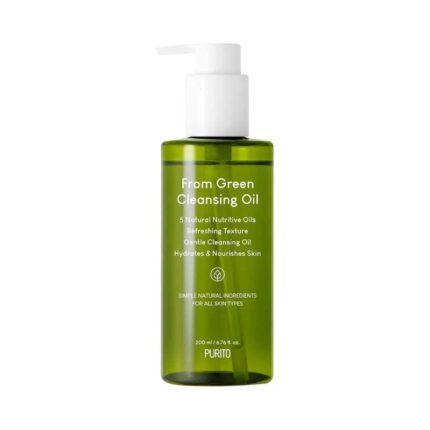 Sale
SaleOriginal price was: ৳ 3,140.00.৳ 2,198.00Current price is: ৳ 2,198.00.
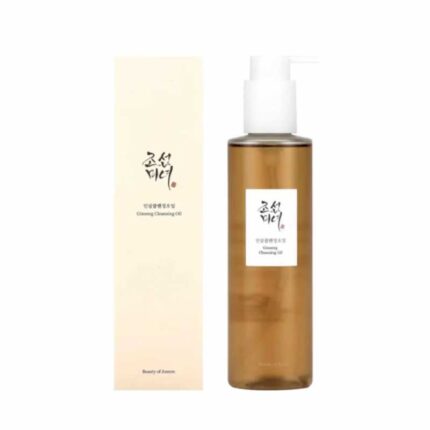 Sale
SaleOriginal price was: ৳ 3,080.00.৳ 2,156.00Current price is: ৳ 2,156.00.
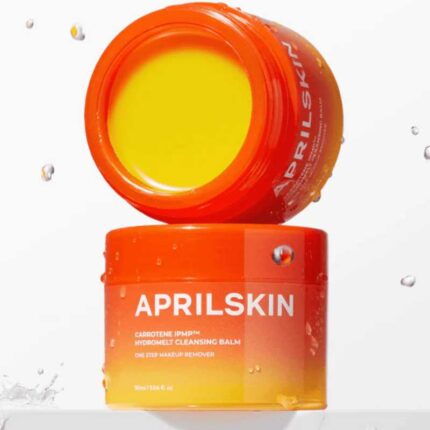 Sale
SaleOriginal price was: ৳ 3,160.00.৳ 2,210.00Current price is: ৳ 2,210.00.
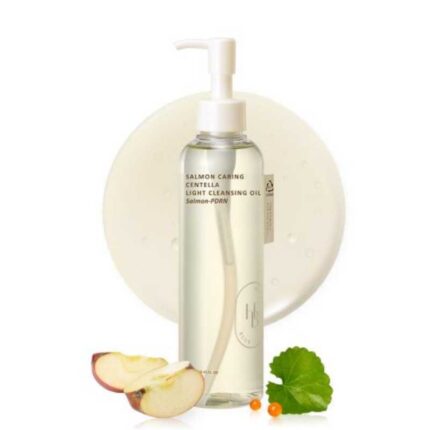 Sale
SaleOriginal price was: ৳ 3,200.00.৳ 2,240.00Current price is: ৳ 2,240.00.
Key nutrients and why they matter
Macadamia Seed Oil contains fatty acids that skin recognizes and uses to rebuild lipids. For example, it carries palmitoleic acid, which several studies link to skin repair and hydration. Dermatologists recommend oils with similar profiles for dry or aging skin because they mimic the skin’s natural oils.
As a result, this oil acts as an omega rich emollient ingredient that smooths rough patches and improves feel. This means the oil can soften skin without a greasy finish for many people. That balance explains why it appears in serums, creams, and hair masks.
How Macadamia Seed Oil works on skin
The oil works by sealing moisture into the skin and supporting the skin barrier function. Research indicates plant-derived fatty acids can reduce transepidermal water loss, which keeps skin hydrated longer. Because the oil absorbs well, most users report softness without heavy residue.
When used after showering, this oil locks in water and enhances hydration quickly. Studies show consistent application can lead to visible improvements in texture for some skin types. For these reasons, many skincare routines include a few drops of Macadamia Seed Oil.
Moisturizing for dry skin
For dry skin, a few drops of Macadamia Seed Oil can replace bulkier creams while keeping skin supple. That is why people with flaky patches often carry a small bottle for touch-ups. Since the oil reduces tightness, users feel relief within minutes.
Support for aging skin
Because palmitoleic acid decreases with age, applying Macadamia Seed Oil may help fill that gap externally. Research indicates plant oils with that acid support elasticity and barrier recovery. Consequently, many anti-aging products include this oil as a complementary ingredient.
Sensitivity and gentle use
Although mild, the oil can still irritate very reactive skin, so patch testing works as a precaution. If redness appears, stop use and consult a dermatologist for tailored advice. Still, most people tolerate Macadamia Seed Oil well due to its gentle composition.
Hair benefits and practical uses
Macadamia Seed Oil smooths hair cuticles and reduces frizz when applied correctly. Studies show oils penetrate hair fibers to varying degrees and this oil reaches the cortex for many hair types. Therefore, it pairs well with styling routines for added shine and manageability.
For dry or chemically treated hair, the oil restores softness without heavy build-up compared to thicker oils. That means you can use it sparingly as a leave-in or as a pre-wash mask. Many stylists recommend small amounts to avoid weighing hair down.
Scalp health and nourishment
When massaged into the scalp, Macadamia Seed Oil can soothe dryness and support barrier repair. Research indicates that gentle scalp massage combined with emollient oils improves comfort and circulation. As a result, users notice reduced flaking and less tightness after repeated use.
Styling and heat protection
Before heat styling, a thin layer of oil can shield hair from immediate dryness. Because the oil has a moderate smoke point, avoid very high heat and use sparingly before tools. That approach balances protection with a non-greasy finish.
How to choose quality Macadamia Seed Oil
Choose cold-pressed, unrefined oil for maximum nutrient retention and natural scent. Studies show refining can remove minor antioxidants, which reduce the oil’s active profile. For those who value purity, bottles labeled cold-pressed tend to perform better in simple routines.
Because packaging affects shelf life, look for dark glass bottles that limit light exposure. That measure helps preserve antioxidants and aroma over months. If a product smells unusually stale, that indicates oxidation and you should discard it.
How to use Macadamia Seed Oil safely
Start with a patch test applied to a small area for 24 hours to watch for reactions. Dermatologists recommend testing new topical products when you have sensitive skin. If no irritation appears, you can introduce the oil gradually into daily care.
For face application, warm two to four drops between palms and press gently into damp skin. That method increases absorption and reduces oiliness on the surface. For hair, apply one to two drops to ends or use a tablespoon for a mask before shampooing.
Blending with other ingredients
Blends with lightweight serums work well because the oil layers without causing pilling. For example, use it after water-based serums and before heavier creams. That sequence supports both hydration and sealing for longer-lasting results.
When formulating at home, combine Macadamia Seed Oil with jojoba or squalane for a balanced emollient profile. Research indicates mixtures can improve spreadability and sensory feel. As a result, many at-home blends match mid-range commercial textures.
Shelf life and storage tips
Stored in a cool, dark place, unrefined Macadamia Seed Oil typically lasts several months to a year. Oxidation shortens shelf life, and sunlight speeds that process. For this reason, keep bottles sealed and away from heat to extend freshness.
If the oil turns cloudy or smells rancid, discard it and replace it with a fresh bottle. That precaution prevents irritation and degraded performance. Consumers often write the opening date on the bottle to track age and avoid guesswork.
Environmental and sourcing considerations
Macadamia cultivation varies worldwide, and sustainable sourcing practices make a difference. Studies show that responsible farming helps preserve soil and biodiversity. When possible, choose suppliers that report ethical harvesting and fair labor standards.
Because macadamia trees require specific climates, certification and clear labeling provide transparency for buyers. This means you can favor producers who show traceability. That choice often supports farmers and promotes long-term quality.
Scientific claims and what research indicates
Studies show plant oils rich in monounsaturated fats support skin barrier repair and moisture retention. Although research varies by oil type, results often demonstrate improved hydration with regular use. Dermatologists reference these studies when recommending natural emollients for non-irritating care.
Research indicates antioxidants in unrefined oils can protect skin from environmental stress. For example, tocopherols and minor phenolics act as protective agents. That is why some studies link topical antioxidant use with improved skin resilience.
Formulations—where you’ll find Macadamia Seed Oil
You can find the oil in facial oils, body lotions, hand creams, hair masks, and serums. Because it blends well, formulators add it to many product types for a smooth finish. This widespread use helps users try the oil in small doses through existing favorites.
For sensitive skin formulas, brands often pair Macadamia Seed Oil with soothing extracts like aloe or oat. Research indicates such combinations reduce irritation and support barrier function. That strategy keeps products gentle yet effective.
Cost and value comparison
Macadamia Seed Oil sits in the mid to upper price range compared to common plant oils. Price reflects extraction method, purity, and brand sourcing. For many buyers, the oil lasts long, so cost-per-use often becomes reasonable over time.
That said, cheaper refined oils can offer a lower upfront cost but fewer active nutrients. Research indicates refining removes minor beneficial compounds. Therefore, basic budgeting should consider potency alongside price.
Common myths and realities
Myth: all natural oils clog pores and cause breakouts. Reality: Macadamia Seed Oil has a comedogenic rating that is generally low for most skin types. As a result, it suits normal to oily skin when used sparingly.
Myth: oils always leave skin greasy. Reality: absorption rates vary, and this oil absorbs faster than many heavier oils. That feature helps users avoid heavy residues and enjoy softness without sheen.
How to read labels and ingredient lists
Look for the INCI name Macadamia Integrifolia Seed Oil or macadamia ternifolia seed oil on product lists. That information confirms the true botanical source and helps you compare formulas. If the list shows many additives, the product may contain fragrance or stabilizers that affect sensitivity.
Because labels sometimes list generic “nut oil,” verify the specific type if allergies concern you. Traceability and clear labeling reduce surprises and support safe use. When in doubt, contact the brand for more details about sourcing and processing.
DIY recipes with Macadamia Seed Oil
For a simple face oil, mix two parts Macadamia Seed Oil with one part rosehip oil for added vitamin A. Many users report smoother skin after nightly application. If you have sensitive skin, reduce the rosehip portion and increase the macadamia ratio.
For a hair mask, combine a tablespoon of Macadamia Seed Oil with a half tablespoon of coconut oil and apply to damp hair. Leave it on for 20 to 30 minutes before shampooing. This treatment adds shine and reduces breakage risk when used weekly.
When to avoid using the oil
Avoid applying if you have a known macadamia nut allergy or an open wound. Allergies to tree nuts can extend to topical exposure in rare cases. For those with severe allergies, consult a medical professional before use.
If severe irritation or rash appears, stop using the product and seek medical advice. Because reactions can escalate, quick action prevents complications. That advice applies to any topical product that causes increased redness or swelling.
How to integrate into a routine
Morning routines benefit from a light application to face and hair ends for added protection and polish. For daytime use, pair the oil with sunscreen for a sealed and hydrated base. That approach prevents moisture loss while maintaining sun protection.
Nighttime routines can include a slightly larger amount to aid overnight repair and softening. For example, apply three to four drops to damp skin after cleansing. That practice supports barrier recovery while you sleep.
Consumer experiences and tips
Many shoppers report that a little goes a long way and a few drops deliver visible results. When peers share tips, they often advise applying to damp skin for better absorption. That simple trick improves performance and stretches a small bottle further.
Some users mix Macadamia Seed Oil into body lotion to boost hydration without adding a new product. This hack enhances existing formulas and creates a custom texture. People with dry elbows and knees find this method especially helpful.
Comparing with other oils
Compared to argan or jojoba, Macadamia Seed Oil offers a lighter feel while still providing monounsaturated fatty acids. Research shows different oils suit different skin needs based on fatty acid profiles. Consequently, choosing the right oil depends on your skin type and personal preference.
For oily skin, try blending small amounts into water-based products rather than applying oil alone. That technique reduces shine while offering the emollient benefits of Macadamia Seed Oil. Many users adopt this tactic to gain hydration without a greasy look.
Regulatory and allergy notes
Regulatory bodies require full ingredient disclosure on cosmetic products in most countries. That rule means labels should list Macadamia Seed Oil clearly if present. Always read labels if you have food or topical allergies.
Because cosmetics laws vary, trace amounts may appear under different names, so check botanical listings. Getting familiar with INCI names helps you avoid unwanted ingredients. If unclear, reach out to manufacturers for clarification.
Where to buy and what to expect
You can buy pure Macadamia Seed Oil from specialty skincare sellers and some health stores. Prices vary by size, extraction method, and brand transparency. Good vendors provide testing or sourcing information to support quality claims.
Expect unrefined oil to carry a faint, nutty scent and a pale yellow color. Those sensory clues indicate minimal processing and a more natural product. If the oil smells chemical or looks very clear, it may have undergone heavy refinement.
Professional uses and recommendations
Estheticians often use Macadamia Seed Oil in treatments because it supports glide and absorbs reasonably fast. That balance helps during facial or body massage sessions. Many clinics pair it with targeted serums for professional results.
Physicians may recommend gentle plant oils for dry skin conditions when appropriate. Research indicates oils can help restore barrier function without harsh ingredients. However, medical guidance is best for chronic or aggravated skin issues.
Frequently Asked Questions
Is Macadamia Seed Oil good for all skin types?
Macadamia Seed Oil suits many skin types, especially dry and normal skin, due to its light feel. Oily skin can tolerate it in small amounts when applied to damp skin. Always patch test if you have sensitive skin or acne-prone concerns.
Can I use Macadamia Seed Oil on my hair daily?
Yes, you can use small amounts daily on hair ends to prevent split ends and dryness. For scalp use, limit frequency based on your natural oil production. Heavy daily use at the roots may cause build-up for some hair types.
Does this oil clog pores?
Macadamia Seed Oil has a generally low comedogenic rating, so it seldom clogs pores for many people. That said, individual reactions vary, and oily skin types should use minimal amounts. Patch testing will reveal personal tolerance.
How should I store Macadamia Seed Oil?
Store the oil in a cool, dark place in a tightly closed bottle, preferably dark glass. Heat and light accelerate oxidation and reduce shelf life. Replace if the oil develops a rancid smell or cloudy appearance.
Final Thoughts
Macadamia Seed Oil offers a lightweight, nourishing option for skin and hair that blends easily into routines and supports barrier health. Research and professional practice suggest that regular, small applications improve hydration and texture for many people. Try a cold-pressed Macadamia Seed Oil in tiny amounts to see how your skin responds, and adjust use based on results.