
Bentonite: Benefits, Uses, Safety, and Buying Tips

Shopping for a clay mask or wellness powder can feel confusing fast. Bentonite appears in skincare, hair care, bath products, and home goods, yet many labels explain very little. A clear guide helps you choose the right clay with more confidence.
What Is Bentonite?
Bentonite is a natural clay that forms when volcanic ash breaks down over time. Geologists link its unique texture to montmorillonite, a soft clay mineral with a layered structure. Because of that structure, the clay can swell when mixed with water.
When shoppers see this ingredient, they often think of face masks first. However, manufacturers also use it in cat litter, industrial filtering, bath soaks, and some wellness products. Research indicates that its value comes from surface charge, fine particles, and strong binding ability.
How the clay forms
Volcanic ash changes when weather, water, and minerals act on it for long periods. As a result, the material becomes soft, fine, and highly reactive with water. Mineral content can vary by source, so two clays may not perform the same.
Some deposits contain more sodium, while others contain more calcium. Sodium-rich clay usually swells more in water. Calcium-rich clay often feels smoother and may mix with less dramatic thickening.
Why shoppers see it everywhere
Brands like this clay because it is versatile and easy to blend. It can thicken formulas, absorb oil, suspend particles, and improve texture. This means one ingredient can support many product types.
For example, a face mask may use the clay to reduce shine. A scalp treatment may use it to lift buildup before rinsing. A bath product may include it for a silky, mineral-rich feel.
Common names on labels
Labels may list the clay as bentonite clay, sodium bentonite, calcium bentonite, or montmorillonite clay. These names are related, yet they do not always mean the product acts the same. Source, purity, and particle size shape the final feel.
When a label gives the clay type, shoppers can make a better choice. Still, marketing language can sound bigger than the facts. That is why product testing, safety notes, and clear directions matter.
Recommended Products
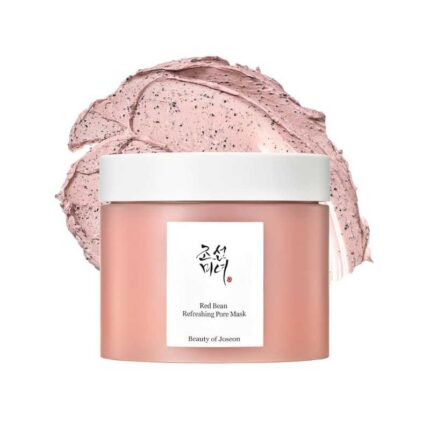 Sale
SaleOriginal price was: ৳ 2,970.00.৳ 2,079.00Current price is: ৳ 2,079.00.
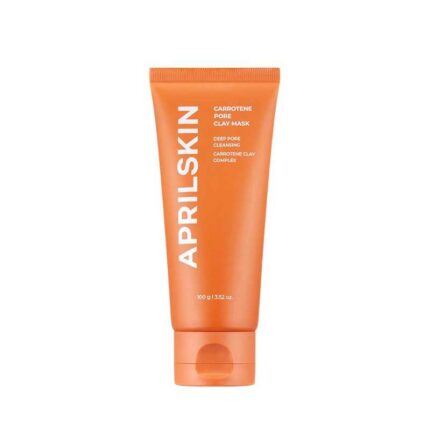 Sale
SaleOriginal price was: ৳ 2,640.00.৳ 1,840.00Current price is: ৳ 1,840.00.
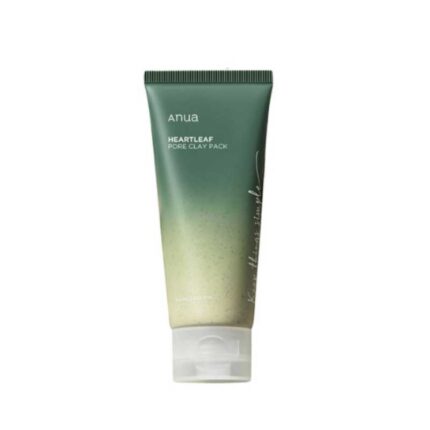 Sale
SaleOriginal price was: ৳ 2,160.00.৳ 1,512.00Current price is: ৳ 1,512.00.
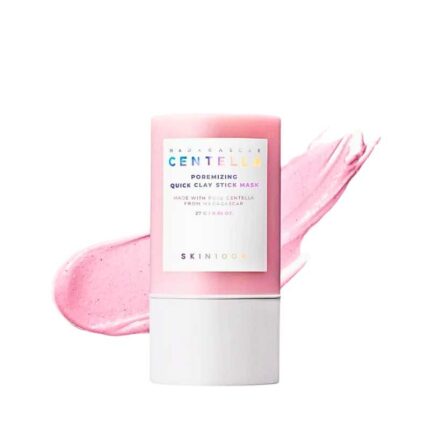 Sale
SaleOriginal price was: ৳ 2,200.00.৳ 1,540.00Current price is: ৳ 1,540.00.
Bentonite Benefits for Skin and Beauty
Bentonite draws interest because it can bind oil and impurities on the skin surface. Studies on clay minerals show that many clays have high surface area. This helps them interact with oils, water, and charged particles.
However, the clay does not work like a medical detox for the whole body. In skincare, the action stays mostly on the surface. It can make skin feel cleaner, smoother, and less greasy after rinsing.
Oil control and shine reduction
Oily skin often feels slick by midday, especially around the nose and forehead. Bentonite can help absorb excess sebum, which is the skin’s natural oil. As a result, masks with this clay may leave a matte finish.
Dermatologists often suggest clay masks for oily or combination skin in moderation. Because clay can feel drying, many people do best with weekly use. Sensitive skin may need shorter contact time.
Pore appearance and texture
Pores do not open or close like doors, despite common claims. However, surface oil and debris can make pores look more visible. A clay mask may reduce that look by removing grime from the skin surface.
When used with gentle cleansing, this effect can make texture appear smoother. Still, deep acne or clogged pores may need proven acne treatments. A clay product works best as support, not as the whole plan.
A role in simple masks
Many shoppers choose dry clay because it lets them control the mix. For example, plain water creates a basic mask with fewer extras. Aloe juice, honey, or glycerin can make the mask feel less tight.
Bentonite works best when the paste spreads easily and does not crack hard. A mask that dries into a stiff shell may strip too much moisture. Instead, rinse when it feels tacky or partly dry.
Why Bentonite Works as an Absorbent Clay Ingredient
Bentonite is often called an absorbent clay ingredient because it can take up water and trap oils. Absorption means a material takes something into its structure. Adsorption means particles stick to the surface, and this clay can do both.
Because the clay has tiny particles, it creates a large active surface. Research on clay minerals shows that this surface can hold charged compounds. This property explains why the clay appears in beauty, cleaning, and filtering products.
Swelling and binding
When sodium-rich clay meets water, it can swell and form a gel-like mix. This swelling gives masks and pastes their thick body. It also helps the product stay on skin without running.
Calcium-rich clay may swell less, yet it can still bind oils and impurities. The best choice depends on the product goal. A creamy mask may need different clay than a strong sealing compound.
Oil, sweat, and surface debris
Skin collects sweat, oil, sunscreen, makeup, and pollution during the day. While a cleanser removes much of this buildup, clay can add extra grip. This is one reason clay masks feel satisfying after heavy sunscreen use.
Still, the clay cannot tell good oil from bad oil. It may remove too much surface oil when used too often. So dry or mature skin should use it with care.
Texture in formulas
Product makers also use the clay to improve formula thickness. Bentonite can help lotions, masks, and scrubs feel stable and creamy. Cosmetic chemists value ingredients that improve both feel and function.
However, a thicker product is not always a better product. Good formulas balance clay with humectants, which attract water to the skin. Glycerin, aloe, and panthenol can help reduce a tight after-feel.
Skincare Uses for Bentonite
Bentonite appears in many skincare products because it suits oily and congested skin concerns. Studies on facial cleansers and masks show that mild routines support the skin barrier. The skin barrier is the outer layer that helps keep moisture in.
Because clay can be drying, shoppers should match the product to skin type. A strong mask may suit oily skin, while a gentle wash may suit combination skin. Dry skin often needs a shorter session and more moisture after.
Clay masks
Clay masks are the most common skincare format. They can come as ready-made creams, single-use packets, or dry powders. Ready-made masks often include water, preservatives, and soothing ingredients.
Dry powders offer more control, yet they require careful mixing. When a powder has no preservative, keep water out of the jar. Moisture can encourage growth of unwanted microbes.
Cleansers and scrubs
Some cleansers include small amounts of Bentonite for a soft, milky feel. These products rinse faster than masks, so they may feel gentler. They can help remove surface oil without long contact time.
Scrubs with clay need extra caution. Harsh grains can irritate skin, especially when paired with a drying clay. Dermatologists often recommend gentle exfoliation over rough scrubbing.
Spot care and oily zones
People with combination skin may only need clay on the T-zone. That means the forehead, nose, and chin. Applying clay only there can reduce dryness on cheeks.
For example, use a thin layer on shiny areas for five to ten minutes. Then rinse before the mask fully cracks. Follow with a light moisturizer to keep the barrier calm.
What to avoid mixing with it
Strong acids, retinoids, and rough scrubs can make clay treatments more irritating. If you use these actives, avoid using them in the same routine. This helps lower the chance of redness and stinging.
Although social media recipes may suggest lemon juice, skip it on facial skin. Lemon juice can irritate skin and increase sun sensitivity. Plain water or a gentle hydrating liquid is safer.
Bentonite in Hair, Scalp, and Bath Products
Bentonite also appears in hair masks, scalp scrubs, soaps, and bath soaks. Many shoppers use clay after heavy styling products leave buildup. Research on hair care shows that buildup can affect shine, feel, and manageability.
Because hair textures vary widely, results can differ. Curly hair may enjoy the clean feel but need deep moisture after. Fine hair may feel lighter, while dry hair may feel rough without conditioner.
Scalp care
A scalp clay mask can help absorb excess oil near the roots. Bentonite may also lift flakes caused by product buildup. However, flakes from dandruff may need antifungal care, not just clay.
When using clay on the scalp, apply it gently and avoid scratching. Let the paste sit briefly, then rinse very well. Leftover clay can make hair feel coated or dull.
Clarifying hair masks
Clarifying masks aim to remove buildup from gels, oils, and styling creams. Clay can support this goal through surface binding. As a result, hair may feel cleaner after a thorough rinse.
Still, clay can pull away some natural oils. Follow with conditioner, especially on curls, coils, and color-treated hair. A leave-in product may help restore slip and softness.
Bath and body products
Bath powders often include Bentonite for a soft, silky feel in water. Soaps may use it to add slip, color, and mild oil absorption. Body masks may target oily backs, shoulders, or underarms.
Because body skin is usually less delicate than facial skin, it may tolerate clay better. Yet shaving, sunburn, or eczema can raise irritation risk. Skip clay on broken or painful skin.
Safety, Side Effects, and Smart Use
Bentonite can be useful, but safety depends on product quality and use. Natural clays may contain trace minerals from the earth. Reputable brands test for unwanted contaminants, including heavy metals.
Because clay comes from mined deposits, purity matters more than a pretty label. Regulatory agencies have warned consumers about unsafe clay products in the past. This means shoppers should avoid unknown powders with bold health claims.
Patch testing
Dermatologists recommend patch testing new skincare, especially for sensitive skin. Apply a small amount to the inner arm or behind the ear. Wait a day and watch for redness, itching, or burning.
If your skin reacts, rinse and skip the product. When no reaction appears, try a short facial session first. This step reduces the chance of a full-face flare.
Dryness and irritation
Clay masks can leave skin tight when they sit too long. Bentonite absorbs oil well, but too much oil removal can weaken comfort. That is why timing matters.
Use a thin layer instead of a thick coat. Rinse before the mask feels hard and cracked. Then apply moisturizer while skin still feels slightly damp.
Internal use concerns
Some products promote clay for drinking or internal cleansing. However, medical experts caution against casual internal use. Clay can bind substances in the gut and may affect medicines or nutrients.
Quality risks also increase with products meant for swallowing. Heavy metal contamination can pose real harm when ingested. Talk with a qualified clinician before taking any clay internally.
Who should be extra careful
Pregnant people, children, and people with kidney disease should be cautious with clay products. Those groups may face higher risk from contaminants or mineral load. A clinician can give safer, personal guidance.
People with eczema, rosacea, or very dry skin should also go slowly. Although clay may seem natural, natural products can still irritate skin. Use a mild formula and short contact time.
How to Choose Quality Bentonite Products
Bentonite products vary in purity, texture, and purpose. A low-cost powder may work well, yet it should still come from a trusted brand. Good shopping choices start with clear labels and realistic claims.
When comparing products, look for the intended use first. Cosmetic clay should say it suits skin or hair. A clay sold for industrial or pet use does not belong on your face.
Check the label
A strong label names the clay type and lists every ingredient. If the product contains water, it should also include a preservative system. Preservatives help keep water-based products safer during normal use.
For dry powder, the label should explain storage and mixing directions. Bentonite powder should stay dry until you prepare it. This lowers the risk of clumping and contamination.
Look for testing and transparency
Responsible brands often discuss quality testing, source control, or contaminant checks. They may not share every lab detail, but they should answer basic safety questions. This matters because clay comes from natural deposits.
Studies show that mineral content can vary by location. As a result, source and processing affect the final product. A brand that explains these points earns more trust.
Match the product to your goal
For oily skin, a simple mask with clay and soothing agents may work well. For sensitive skin, choose a cream mask with humectants and calming extracts. For hair, choose a formula that includes conditioning support.
Bentonite should not be the only feature you judge. The full formula decides how a product feels and performs. A balanced product often beats a harsh one with more clay.
Avoid red flags
- Skip products that claim to cure disease, remove all toxins, or replace medical care.
- Avoid powders with no ingredient list, no company details, or unclear use directions.
- Be careful with very cheap bulk clay sold without cosmetic or safety information.
- Pass on products that tell you to ignore irritation, burning, or ongoing dryness.
How to Use Bentonite at Home
Bentonite works best when you start small and keep the routine simple. Most shoppers do not need daily clay treatments. Research on skin barrier care supports gentle, steady routines over harsh routines.
Because clay can dry the skin, frequency matters. Oily skin may handle one or two uses per week. Dry or sensitive skin may prefer once every two weeks.
Basic face mask method
- Start with clean skin and dry hands.
- Mix a small amount of clay with water until it forms a smooth paste.
- Apply a thin layer, while avoiding the eye area and lips.
- Leave it on for five to ten minutes, then rinse before it fully hardens.
- Finish with moisturizer to support the skin barrier.
When mixing dry powder, use a clean bowl and spoon. Some people avoid metal tools because clay can interact with charged surfaces. In normal home use, clean glass, ceramic, or plastic tools work well.
Hair and scalp method
For hair, mix the clay into a loose paste that spreads easily. Apply it to the scalp or roots, not just the hair ends. Massage gently with fingertips, then let it sit briefly.
Rinse until the water runs clear and the scalp feels clean. Then follow with conditioner to restore softness. Curly and coily hair often needs extra moisture after clay.
Storage and hygiene
Keep dry clay sealed in a cool, dry place. Do not dip wet fingers into the jar. Moisture can cause clumps and may reduce freshness.
For mixed paste, prepare only what you need that day. Without a preservative, a water-based mix should not sit for long. Throw away leftovers instead of saving them for later.
Bentonite Myths and Realistic Expectations
Bentonite often gets surrounded by big claims, especially online. Some claims fit the science, while others stretch far beyond it. Clear expectations help shoppers avoid wasted money and irritation.
The clay can absorb oil, improve product texture, and support a clean skin feel. However, it cannot replace sunscreen, acne medicine, or a balanced skincare routine. This means results depend on the whole routine.
Myth: It detoxes the entire body
The phrase detoxifying skincare compound often appears in beauty marketing. In skincare, that usually means the product helps remove surface oil and debris. It does not mean the clay cleanses your organs.
Your liver, kidneys, lungs, and digestive system handle body waste removal. Clay on the face cannot do that job. So treat detox claims as marketing unless a brand explains them clearly.
Myth: More drying means better cleaning
A very tight mask may feel powerful, but that feeling can signal dryness. Skin does not need to crack or sting to become clean. Gentle use often gives better long-term results.
Bentonite can still work when rinsed before it fully dries. Leaving a mask on too long may increase redness. Instead, aim for a soft, slightly tacky finish before rinsing.
Myth: Natural means risk-free
Natural ingredients can cause irritation, allergies, or contamination concerns. Poison ivy is natural, yet no one calls it gentle skincare. Clay needs the same practical caution.
Because minerals come from the earth, testing matters. Choose products made for cosmetic use, and follow directions. Stop if your skin burns, flakes badly, or stays red.
Who Should Consider Bentonite?
Bentonite may suit shoppers who want a simple way to manage shine or buildup. It works best for oily, combination, or product-heavy routines. People who wear sunscreen daily may enjoy occasional clay masking.
Still, not every shopper needs it. If your skin feels tight after cleansing, a clay mask may worsen dryness. A hydrating mask may serve you better.
Best fit for skin types
Oily skin often gets the most visible benefit. The clay can reduce surface shine and make skin feel fresh. Combination skin may benefit from targeted use on oily zones.
Normal skin can use clay now and then after heavy makeup or sunscreen. Sensitive skin should choose a gentle formula and patch test first. Dry skin should use it rarely, if at all.
Best fit for hair needs
Hair that feels coated may benefit from an occasional clay cleanse. Bentonite can help remove oils and styling residue from the scalp. This may improve lift at the roots.
However, very dry or damaged hair needs extra care. Use conditioner after every clay session. Avoid frequent clay use if hair starts feeling rough.
When to skip it
Skip clay on sunburn, open cuts, fresh peels, or irritated skin. Also avoid it right after waxing or shaving the face. The skin barrier needs time to calm down.
If you use prescription acne or rosacea treatments, ask your clinician about clay masks. Some active routines already dry the skin. Adding clay may push the skin too far.
Frequently Asked Questions
Is Bentonite good for acne-prone skin?
Bentonite may help acne-prone skin by absorbing surface oil and reducing shine. However, it does not kill acne bacteria or replace proven acne treatments. Use it as a support step, not as your main acne plan.
How often should I use a Bentonite mask?
Most oily skin types can try it once weekly. Sensitive or dry skin should use it less often and for shorter sessions. If your skin feels tight or flaky, reduce use.
Can I mix Bentonite with apple cider vinegar?
Some people mix clay with apple cider vinegar, but it can sting sensitive skin. Water or aloe-based liquid usually feels gentler. Patch test first if you choose an acidic mix.
Is Bentonite safe to eat or drink?
Do not eat or drink clay unless a qualified clinician advises it. Internal use carries more risk from contaminants and possible medicine interactions. Cosmetic products should never be swallowed.
Final Thoughts
The main takeaway is simple: Bentonite can be useful when quality, timing, and skin type guide your choice. It works well for oil control, surface cleansing, and occasional buildup removal. Choose a tested product made for your intended use, then start slowly and watch how your skin responds.