
Polyurethane-11: Beauty Ingredient Guide

A product can feel silky in the store, then turn patchy at home. Polyurethane-11 often plays a quiet role in that smoother feel and longer wear. Shoppers see the name on labels, yet few know what it does.
What Is Polyurethane-11?
Polyurethane-11 is a synthetic polymer, which means it comes from repeated small units joined together. Cosmetic chemists use it to change how a product spreads, dries, and feels. Because it forms a thin flexible layer, it can help makeup and skin care sit more evenly.
Research in cosmetic science shows that polymers can improve film strength and product glide. Polyurethane-11 belongs to this group, but brands choose it for a specific skin feel. It can make a formula feel smooth without adding a greasy finish.
Many shoppers worry when an ingredient sounds chemical. However, all cosmetic ingredients are chemicals, including water and plant oils. The real question asks how Polyurethane-11 behaves in the full formula.
Recommended Products
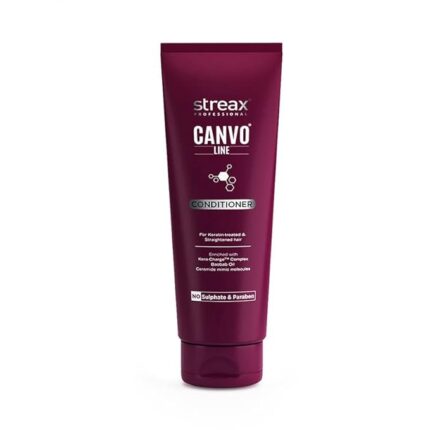 Sale
SaleOriginal price was: ৳ 800.00.৳ 749.00Current price is: ৳ 749.00.
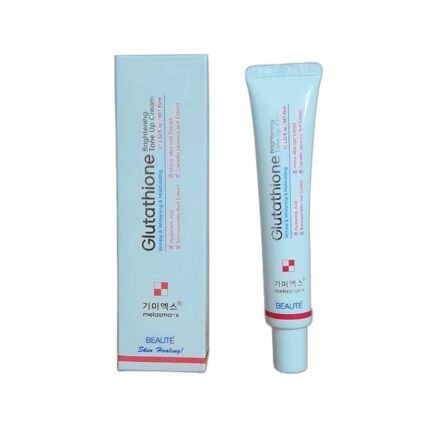 Sale
SaleOriginal price was: ৳ 1,250.00.৳ 950.00Current price is: ৳ 950.00.
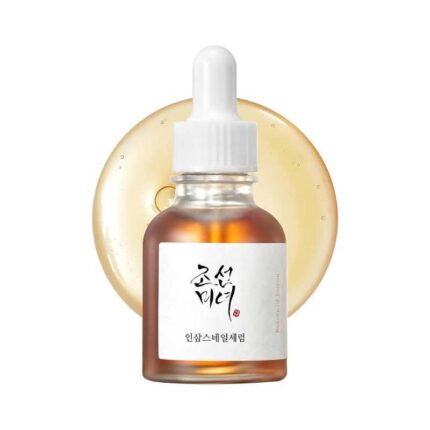 Sale
SaleOriginal price was: ৳ 2,060.00.৳ 1,442.00Current price is: ৳ 1,442.00.
 Sale
SaleOriginal price was: ৳ 3,200.00.৳ 2,240.00Current price is: ৳ 2,240.00.
Polyurethane-11 as a Film Forming Polymer Ingredient
A film forming polymer ingredient creates a thin layer as a product dries. Polyurethane-11 helps build that layer in a way that can feel flexible on skin. This film may support smoother coverage, better grip, and less visible settling.
Studies show that film formers can improve wear in color cosmetics. Because makeup faces sweat, oil, and movement, this matters for daily use. Polyurethane-11 can help a product stay more even through normal wear.
How the film forms
When you apply a formula, solvents or water begin to evaporate. As that happens, Polyurethane-11 can help create a soft network on the surface. This network supports the product without making it feel heavy.
The result depends on the full ingredient list. For example, oils, waxes, powders, and silicones can change the final texture. Polyurethane-11 works with those ingredients rather than acting alone.
Why flexibility matters
Skin moves every time you smile, blink, or speak. A stiff film can crack or look dry, especially around fine lines. However, a flexible film can move with the face more comfortably.
Cosmetic chemists often test formulas for rub resistance and wear. These tests help brands see how a film performs during use. Polyurethane-11 may support wear while keeping a soft finish.
Where shoppers notice it
You may notice Polyurethane-11 most in primers, foundations, concealers, and long-wear makeup. It can help pigments spread in a more even layer. As a result, color may look smoother and less streaky.
Some hair products also use similar polymer ideas for hold and feel. The exact effect depends on the product type. Still, the core purpose stays the same: better surface performance.
Why Brands Use This Texture Smoothing Compound
Brands often add Polyurethane-11 when they want a soft-focus feel. It can act like a texture smoothing compound in products made for pores, lines, or uneven patches. This does not erase texture, but it can help a formula sit better.
Dermatologists often remind shoppers that skin texture is normal. However, many people still prefer makeup that looks smoother in daylight. Polyurethane-11 can support that goal when the product suits your skin type.
Primers and blurring products
Primers often aim to create a smoother base before makeup. Polyurethane-11 may help fill the look of tiny surface gaps with a soft film. This effect can make foundation glide with fewer skips.
Because primers sit under other products, their feel matters a lot. A sticky primer may grab too much pigment. A balanced formula with Polyurethane-11 can give grip without harsh drag.
Foundations and concealers
Foundations need even spread, stable pigment, and a pleasant finish. Polyurethane-11 can help the product form a more uniform layer. As a result, coverage may look smoother across dry or uneven areas.
Still, one ingredient cannot save a poor shade match or wrong base type. For example, a matte formula may still feel tight on dry skin. Polyurethane-11 helps texture, but the whole formula drives comfort.
Lip and eye products
Some long-wear lip and eye products need flexible films. These areas move often, so comfort becomes a key feature. Polyurethane-11 may help color stay placed without a brittle feel.
Eye products need extra care because the eye area feels sensitive. Cosmetic safety rules set strict limits for ingredients used near eyes. When a product follows those rules, shoppers can judge it by comfort and performance.
Skin Feel, Finish, and Everyday Benefits
Polyurethane-11 does not moisturize like glycerin or repair a barrier like ceramides. Instead, it mainly changes how a product behaves on the surface. That can still make a major difference in daily routines.
Research indicates that sensory feel affects whether people keep using a product. If a sunscreen or foundation feels smooth, users may apply it more often. Polyurethane-11 can help create that more pleasant feel.
Because shoppers compare products by touch, texture can shape buying choices. A formula that spreads evenly often feels easier to trust. This explains why brands care about polymers and finish.
Smoother application
Polyurethane-11 can help reduce dragging during application. This matters when you apply thin layers with fingers, brushes, or sponges. A smoother glide can also reduce patchy spots.
When pigments spread evenly, you may need less product. That means the finish can look lighter and more natural. However, heavy layering can still cause buildup.
Better makeup wear
Longer wear does not always mean a product becomes waterproof. Instead, it can mean the product resists fading during normal movement. Polyurethane-11 may support this by improving film strength.
Oil control still depends on other ingredients. For example, silica, clay, or starch may absorb shine. Polyurethane-11 can help the film, while powders handle oil.
A softer visual finish
Some products use polymers to scatter light in a gentle way. This can make texture look less sharp under bright light. Polyurethane-11 may support that softer look in the right blend.
Although this effect can look flattering, it remains cosmetic. It does not change pore size or remove lines. The benefit lasts while the product stays on skin.
Safety, Sensitivity, and Skin Types
Cosmetic safety experts review polymers by how they act on skin and in formulas. Polyurethane-11 has a large molecular structure, so it usually stays on the surface. That surface role helps explain why brands use it in leave-on products.
Dermatologists recommend patch testing when your skin reacts easily. Apply a small amount near the jaw or behind the ear. Wait a day, since delayed irritation can happen.
Most irritation comes from the full formula, not one ingredient. However, Polyurethane-11 may still bother a small number of users. Fragrance, alcohol, dyes, and preservatives often cause more issues.
Dry skin
Dry skin often needs humectants and barrier-supporting ingredients. Polyurethane-11 can improve feel, but it does not replace moisture. Look for glycerin, hyaluronic acid, squalane, or ceramides nearby.
When a matte product feels tight, the formula may lack enough comfort agents. A polymer film can smooth the surface, yet dry patches may still show. So dry skin users should choose flexible, hydrating bases.
Oily and combination skin
Oily skin often breaks down makeup faster. Polyurethane-11 may help a product hold together through normal shine. Still, oil-absorbing powders often carry the larger role.
Combination skin needs balance across different zones. For example, cheeks may need comfort while the T-zone needs control. A formula with Polyurethane-11 can work well when it avoids heaviness.
Sensitive or acne-prone skin
Sensitive skin benefits from short routines and careful testing. Polyurethane-11 does not automatically mean a product will clog pores. Acne risk depends on the full formula and your skin response.
Because breakouts have many triggers, track new products one at a time. Stop use if burning, swelling, or rash appears. For ongoing reactions, ask a dermatologist for personal advice.
How to Read Labels Before You Buy
Ingredient labels list items in order by amount until lower levels appear. Polyurethane-11 may sit near the middle or lower part of a label. That position can still matter because polymers often work at modest levels.
Consumer product testing shows that texture claims often depend on ingredient blends. So do not judge one label name in isolation. Instead, look at claims, finish, skin type, and the full formula.
When shopping online, product photos cannot show feel. Reviews can help, but they reflect many skin types and climates. That is why understanding Polyurethane-11 gives you a better filter.
Check the product category
A primer with Polyurethane-11 may focus on blur and grip. A foundation may use it for smoother coverage and wear. A lip product may use it for flexible color hold.
Match the ingredient to the product promise. For example, a long-wear claim makes more sense with film formers present. A rich night cream may not need the same texture system.
Compare nearby ingredients
Silicones can add slip and a silky feel. Powders can blur shine and soften the look of pores. Polyurethane-11 may work beside both groups for a smoother finish.
Humectants attract water to the upper skin layers. Oils and emollients add softness and reduce rough feel. Because each group has a role, the best formula often combines several.
Look beyond marketing claims
Words like smoothing, blurring, and long-wear can mean different things. Polyurethane-11 may support those claims, but testing and formula design matter more. Try to read reviews from people with skin like yours.
Sample sizes help when you feel unsure. If samples are not available, choose sellers with fair return options. This reduces waste and helps you learn your preferences.
Polyurethane-11 Versus Similar Ingredients
Polyurethane-11 sits in a wider family of film formers and texture agents. Shoppers may also see acrylates copolymers, silicone resins, nylon powders, or cellulose derivatives. Each group changes feel, wear, or finish in a different way.
Research in formulation science shows that no single polymer fits every product. Chemists choose ingredients based on spread, dry time, comfort, and stability. Polyurethane-11 offers a flexible option for many modern textures.
Compared with silicones
Silicones often give strong slip and a silky glide. Polyurethane-11 focuses more on film formation and flexible wear. Many formulas combine both for a smoother user experience.
Some shoppers avoid silicones due to personal preference. However, silicones have a long history in cosmetics. If you dislike their feel, a formula with more polymer balance may suit you better.
Compared with powders
Powders can blur shine and absorb oil. They can also look dry if a formula uses too much. Polyurethane-11 may help bind the product so powders spread more evenly.
Because powders and polymers do different jobs, they often work together. A matte foundation may need both oil control and flexible film support. This blend can reduce cakey texture.
Compared with waxes and oils
Waxes add body, hold, and structure to sticks or balms. Oils add comfort and richness. Polyurethane-11 can help balance these materials when a brand wants smoother wear.
Too much wax may feel stiff, while too much oil may slide. A flexible polymer can improve the finish between those extremes. Still, your skin type decides what feels best.
How to Decide If It Fits Your Routine
Polyurethane-11 makes the most sense when you want smoother makeup or better surface wear. It may also help if products often look streaky on your skin. However, it will not treat acne, dryness, or dark spots.
Dermatologists recommend choosing products by skin goals first. Treatment products should focus on proven actives, such as sunscreen filters or retinoids. Texture ingredients then help make those products pleasant enough to use.
When your routine already works, you do not need to chase one ingredient. Instead, consider Polyurethane-11 as a useful sign in certain formulas. It can point toward a smoother, more flexible finish.
Best signs it may help
You may like Polyurethane-11 if makeup separates during the day. It may also help when foundation settles into small texture changes. Look for it in primers, soft-matte bases, and long-wear color products.
Because climate affects wear, test products in your normal setting. Humid weather can change dry time and finish. Cold weather can make some films feel tighter.
Signs to be cautious
Be careful if your skin reacts to many leave-on products. Polyurethane-11 may not cause the issue, but the formula still could. Patch testing gives you a safer first read.
If you dislike any film feel, choose lighter textures. Some people notice a coated sensation with long-wear products. A dewy cream or serum base may feel better.
Smart shopping steps
Start with your main problem, such as patchiness, shine, or fading. Then choose a product category that targets that issue. Polyurethane-11 can support the result, but it should not be your only filter.
Read the full label and compare it with the claim. For example, a smoothing primer should include slip agents, film formers, or blurring powders. This makes the claim more believable.
Common Myths About Polyurethane-11
Ingredient myths spread fast because labels can look confusing. Polyurethane-11 sounds industrial, yet cosmetic use depends on purity, amount, and formula design. Name alone does not tell you if a product will suit your skin.
Regulatory systems require brands to sell products that meet safety rules. This does not mean every product works for every person. It means shoppers should judge claims with context.
Myth: It seals skin completely
Polyurethane-11 can form a film, but that does not mean it seals skin like plastic wrap. Cosmetic films usually remain thin and flexible. They can support wear while still feeling light.
If a product feels too occlusive, other ingredients may contribute. Heavy oils, waxes, and thick silicones can change comfort. So judge the entire formula, not only the polymer.
Myth: Natural products are always safer
Natural ingredients can irritate skin too. Essential oils, plant extracts, and fragrance compounds often trigger sensitive skin. Polyurethane-11 may feel gentler than some natural scent blends for certain users.
Safety depends on dose, purity, and personal tolerance. Because skin varies, labels cannot predict every reaction. Patch testing remains the best simple tool.
Myth: It works the same in every product
Polyurethane-11 does not perform the same across all formulas. A water-based primer may feel different from a silicone-rich foundation. Pigments, powders, and oils change the final result.
That is why two products with the same ingredient can feel unlike each other. Brand testing, ingredient levels, and packaging all matter. Your best guide remains how the product wears on your skin.
Frequently Asked Questions
Is Polyurethane-11 safe in cosmetics?
Polyurethane-11 can appear in leave-on cosmetic products when brands follow safety rules. Most people tolerate it well, but sensitive skin can react to any formula. Patch test first if you often get redness or stinging.
Does Polyurethane-11 clog pores?
Polyurethane-11 does not automatically clog pores. Breakouts depend on the full formula, your skin, and how well you remove the product. Choose non-comedogenic claims if acne concerns guide your shopping.
Is Polyurethane-11 good for dry skin?
Polyurethane-11 can make dry skin look smoother under makeup. However, it does not replace true moisturizing ingredients. Dry skin should look for humectants, emollients, and barrier-supporting ingredients too.
Why is Polyurethane-11 in foundation?
Brands add Polyurethane-11 to foundation for smoother spread, flexible wear, and a more even film. It can help pigments sit better on the skin. The final finish still depends on the whole formula.
Final Thoughts
Polyurethane-11 is best understood as a feel and wear ingredient, not a skin treatment. It can help products spread better, look smoother, and stay more even during daily use. Choose formulas with Polyurethane-11 when you want better texture, but always match the product to your skin type.