
Ubiquinone Guide: Benefits, Uses, and Safety

Many shoppers wonder which supplement will actually help energy and skin health while staying safe. Ubiquinone appears often on labels and in skin products, and people want plain answers. This guide covers what Ubiquinone does, how to use it, and what to watch for.
What Ubiquinone Is and Why It Matters
Ubiquinone is the chemical name for coenzyme Q10 in its oxidized form. As a vitamin-like compound, it plays a role inside cells that produce energy. Research indicates that this compound helps supply electrons in the cell power plants called mitochondria.
Because mitochondria drive most cellular energy, Ubiquinone often appears in energy and longevity discussions. Studies show that cells low in coenzyme Q10 tend to have lower energy output. For example, researchers report links between lower coenzyme Q10 levels and reduced stamina in aging tissues.
Recommended Products

৳ 1,650.00

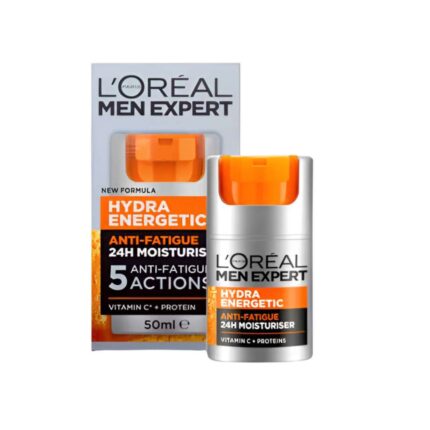 Sale
SaleOriginal price was: ৳ 2,350.00.৳ 1,490.00Current price is: ৳ 1,490.00.
View Details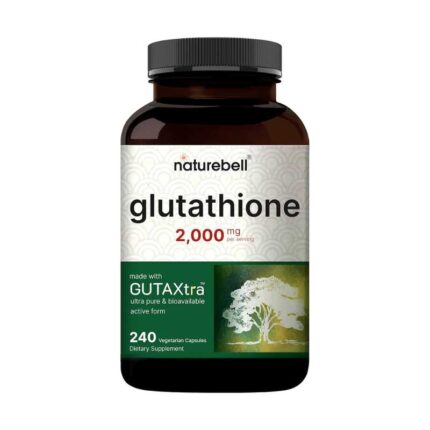 Sale
SaleOriginal price was: ৳ 7,390.00.৳ 5,500.00Current price is: ৳ 5,500.00.
How Ubiquinone Works in the Body
Ubiquinone travels to cell membranes and participates in the electron transport chain. This system moves electrons to make ATP, the main cellular energy currency. Cells that rely on steady ATP often show better function when Ubiquinone levels are adequate.
When Ubiquinone accepts electrons it becomes reduced and helps shuttle energy inside mitochondria. As a result, it supports cellular energy production and resilience under stress. Researchers indicate this energy support is one reason many athletes and older adults take the ingredient.
Ubiquinone as an Antioxidant and Mitochondrial Support
Many studies describe Ubiquinone as an antioxidant mitochondrial ingredient that protects cells from oxidative damage. That is why researchers test it in conditions linked to oxidative stress. For example, lab work shows Ubiquinone can reduce free radical damage in cell models.
Because antioxidants can vary in action, Ubiquinone works inside organelles where energy is made. This means it acts in a spot where oxidative chemistry is highest. As a result, it offers a specific type of protection compared with surface antioxidants.
How it defends mitochondria
Ubiquinone helps maintain the mitochondrial membrane potential that fuels ATP synthesis. Cells keep this potential to drive many reactions, and loss of potential can reduce energy output. Studies show maintaining that potential supports cell survival under stress.
Still, the body makes coenzyme Q10 naturally, and production drops with age. That decline may explain why older adults sometimes consider supplementation. Clinical studies often compare supplement groups to controls to measure functional effects.
Health Benefits Backed by Research
Research indicates that Ubiquinone supports energy, heart function, and other systems that need steady ATP. For example, clinical trials often test coenzyme Q10 for heart health outcomes. Doctors commonly recommend coenzyme Q10 when certain medications deplete it.
Because the evidence varies by condition, some benefits have stronger data than others. Studies on heart failure and statin-related fatigue show promising results in many trials. On the other hand, evidence for some uses remains preliminary and needs larger trials.
Energy and exercise
Many trials test Ubiquinone for exercise performance and recovery. Some participants report improved endurance and reduced perceived exertion. Although not every study finds strong effects, the trend often favors people with low baseline levels.
Cardiovascular support
Research shows Ubiquinone can support certain measures of heart performance in clinical settings. Doctors often mention coenzyme Q10 for patients on cholesterol-lowering drugs, since those drugs can lower natural levels. That is why clinicians sometimes recommend supplements alongside therapy.
Brain and immune considerations
Because brain cells use a large share of body energy, researchers consider Ubiquinone for cognitive support. Small studies suggest potential benefits for mental fatigue and brain resilience under stress. Still, larger trials are needed to confirm long-term effects.
Skin, Aging, and Wrinkle Support
Skincare formulas often list Ubiquinone as a wrinkle support compound that helps reduce visible signs of aging. Topical and oral approaches aim to improve skin energy and reduce oxidative damage. Dermatologists recommend antioxidants as part of a multi-step skin routine.
Studies show topical coenzyme Q10 can reduce wrinkle depth in some people after regular use. That result likely comes from better cellular energy and lower oxidative stress in skin cells. Because skin renews itself, users need weeks of regular application to see change.
Topical versus oral use for skin
Topical Ubiquinone delivers the compound directly to the outer skin layers for localized benefits. Oral supplements may provide broader systemic support, which can also help skin health indirectly. For many users, combining both routes offers practical balance.
Supplement Forms: Ubiquinone vs. Ubiquinol
Supplement labels often show Ubiquinone or ubiquinol, the reduced form of coenzyme Q10. Both forms enter the body and can convert between each other as cells need. Research indicates that older adults might absorb ubiquinol slightly better, but Ubiquinone remains widely effective.
Because practical use varies, manufacturers offer both capsule and softgel formats. That means shoppers can choose based on price, formulation, and personal tolerance. When in doubt, talk with a healthcare provider about which form fits your needs.
Absorption tips
Ubiquinone is fat-soluble, so taking it with a meal that contains fat improves absorption. Studies on fat-soluble nutrients show meal timing and composition matter for uptake. For that reason, many labels suggest taking the supplement with food.
Recommended Dosages and How to Choose a Product
Typical supplement dosages for Ubiquinone range widely depending on purpose and age. Many over-the-counter products offer doses between 50 mg and 300 mg per day. Doctors set doses higher in clinical settings under supervision for some conditions.
When shopping, look for brands that state clear dosing and provide third-party testing. Quality seals and batch testing information help confirm purity and potency. That is a practical step for buyers who want reliable results from their Ubiquinone purchase.
Choosing based on need
If you seek basic antioxidant support, lower daily doses often work well. People aiming for specific clinical support may follow healthcare advice for higher doses. Still, always consult a clinician before starting higher than typical over-the-counter amounts.
Safety, Side Effects, and Interactions
Ubiquinone is generally well tolerated and has a low rate of side effects in studies. Most reported issues are mild gastrointestinal symptoms like nausea or stomach discomfort. Because the compound is similar to a vitamin, severe reactions are uncommon for most adults.
However, Ubiquinone can interact with some medications, including blood thinners and certain cancer therapies. For example, some clinicians advise caution or monitoring when combining supplements with prescription drugs. That is why discussing supplements with a clinician matters for safety.
When to consult a healthcare provider
If you are pregnant, nursing, or taking prescription medications, ask a clinician before starting Ubiquinone. People with chronic conditions should review potential interactions and dosing with their medical team. This step ensures you avoid unwanted effects and get personalized guidance.
Who Benefits Most from Ubiquinone
Older adults, people on certain medications, and those with high energy demands often consider Ubiquinone first. Clinical work shows these groups sometimes have lower natural levels of coenzyme Q10. For instance, statin users often report fatigue that may respond to supplement support.
Because baseline levels matter, testing or clinical assessment can guide need. Some doctors measure blood levels in special situations to confirm deficiency. Yet many people choose a trial of supplementation with clinical oversight when appropriate.
Practical Tips for Buying and Using Ubiquinone
When you shop, read labels for dose, form, and testing information to compare products. Look for clear manufacturing details, and prefer products with third-party verification. That approach reduces the chance of purchasing low-quality or mislabeled supplements.
As a practical habit, keep a short log of effects and side effects when you begin taking Ubiquinone. Monitoring energy, sleep, and any digestive changes helps you and your clinician assess benefit. If you notice adverse effects, stop use and consult a healthcare professional promptly.
Comparing Ubiquinone with Other Antioxidants
Many shoppers compare Ubiquinone with vitamins C and E, which act at different spots in the body. Vitamin C works primarily in the watery portions of cells and blood, while vitamin E protects cell membranes. Ubiquinone often complements these antioxidants by acting inside mitochondria.
Because antioxidants have unique roles, combining them can offer broader protection. For example, a routine that includes a dietary antioxidant, vitamin D, and Ubiquinone aims for balanced support. Research indicates combined antioxidant strategies sometimes outperform single nutrient use.
Common Myths and Misunderstandings
One myth claims Ubiquinone will instantly boost energy for everyone. While some people report faster improvement, outcomes vary widely with baseline levels and health. Clinical studies show gradual benefits over weeks rather than instant fixes.
Another misunderstanding says topical Ubiquinone replaces sunscreen or other skin care steps. That is false; sun protection remains the primary defense against photoaging. Using Ubiquinone alongside sunscreen and basic skin care makes more sense for visible improvements.
Frequently Asked Questions
What does Ubiquinone do for energy?
Ubiquinone supports the electron transport chain inside mitochondria, helping cells make ATP. As a result, tissues with high energy needs may function better when Ubiquinone levels are adequate. Many users report improved stamina after weeks of consistent use.
Is Ubiquinone safe to take daily?
Most adults tolerate Ubiquinone well when taken at standard doses found in supplements. Side effects are rare and usually mild, such as stomach upset. Still, seek medical advice if you are on prescription medications or have chronic health issues.
Can Ubiquinone reduce wrinkles?
Studies show topical and oral forms can improve skin appearance and reduce wrinkle depth for some users. Results typically require regular use for several weeks to months. For better outcomes, combine Ubiquinone with sunscreen and a healthy skin routine.
Should I choose ubiquinone or ubiquinol?
Both forms provide coenzyme Q10, but ubiquinol is the reduced form and may absorb slightly better in older adults. Many people do well with Ubiquinone at standard doses, while some choose ubiquinol for perceived absorption advantages. Talk with a clinician to weigh cost and needs.
Final Thoughts
Ubiquinone offers a blend of mitochondrial support and antioxidant action that suits many people seeking energy or skin benefits. Given the evidence and safety profile, try a tested product at a modest dose while tracking effects. For best results, consult your healthcare provider and choose a Ubiquinone product with clear labeling and third-party testing.