
Cranberry Seed Oil: Benefits, Uses & Buying Guide

Do you want a natural oil that hydrates without feeling heavy? Cranberry Seed Oil can offer light moisture and antioxidant support for many skin types. Many shoppers find it a gentle option for daily care.
What is Cranberry Seed Oil?
Cranberry Seed Oil comes from the seeds of the cranberry fruit. Manufacturers press these tiny seeds to extract a pale, thin oil. This oil contains a mix of fatty acids and antioxidants that appeal to skincare users.
Research indicates that oils from cranberries provide essential fatty acids that skin needs. Studies show plant seed oils can support skin barrier repair and hydration. As a result, many cosmetic brands include cranberry oil in serums and creams.
Recommended Products
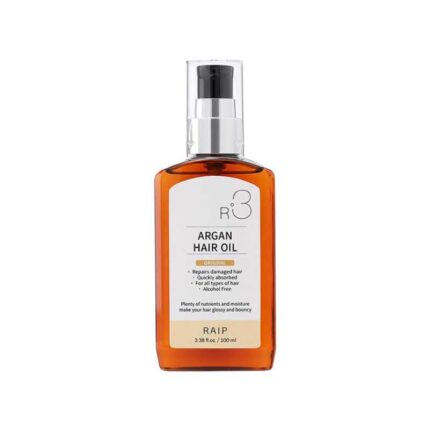 Sale
SaleOriginal price was: ৳ 1,200.00.৳ 840.00Current price is: ৳ 840.00.
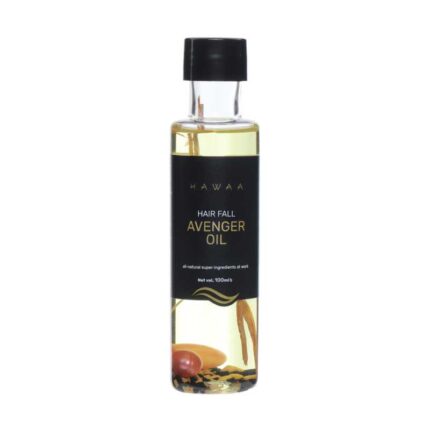
 Sale
SaleOriginal price was: ৳ 680.00.৳ 500.00Current price is: ৳ 500.00.
 Sale
SaleOriginal price was: ৳ 850.00.৳ 740.00Current price is: ৳ 740.00.
Key nutrients in Cranberry Seed Oil
The oil has a notable balance of omega fatty acids. It supplies omega-3 and omega-6 in a ratio that many formulators value. That balance supports skin health and helps maintain moisture.
Also, cranberry seed oil contains natural antioxidants and vitamin E. These compounds protect skin from environmental stressors. Dermatologists recommend antioxidants in topical products to help skin cope with daily exposure.
Fatty acid profile and why it matters
Oils differ by their fatty acids, and that difference changes how they feel on the skin. Cranberry Seed Oil absorbs quickly because it has a light texture. This means it works well under makeup or layered with creams.
Because of its fatty acid mix, the oil can support flexibility in skin tissue. Research suggests balanced fatty acids help maintain a resilient skin barrier. That is why many people choose oils with both omega-3 and omega-6 content.
How Cranberry Seed Oil is made
Producers usually use cold pressing to preserve nutrients. Cold pressing avoids heat that might reduce antioxidants. This method keeps the oil closer to its natural state.
After pressing, brands filter and sometimes refine the oil for stability. Some labels list unrefined or virgin cranberry seed oil. If you prefer minimal processing, look for those terms on product labels.
Skin benefits of Cranberry Seed Oil
Cranberry Seed Oil helps hydrate without clogging pores for many people. Its light texture suits normal, oily, and combination skin types. That makes it a versatile oil for daily care.
Additionally, antioxidants in the oil protect skin from free radical damage. Studies show antioxidants can reduce visible signs of environmental stress. Because of this, users often report a brighter, healthier look with consistent use.
For sensitive skin, the oil tends to be mild and calming. Some people find it reduces redness and tightness over time. Still, patch testing any new product remains wise before full use.
Hair and scalp uses
People apply cranberry seed oil to hair for shine and manageability. The oil’s lightweight nature keeps hair from feeling greasy. That makes it a better option than heavier oils for thin or fine hair.
When used on the scalp, the oil can soothe mild dryness. Research indicates that balanced fatty acids support scalp barrier health. For example, a few drops massaged into the scalp can help reduce flaking when used regularly.
Body care and massage uses
As a body oil, cranberry seed oil spreads easily and absorbs fast. You can use it after showering to lock in moisture. Because it does not leave a heavy film, many prefer it for daily body care.
For massage, practitioners like its glide and light scent. It blends smoothly with essential oils for aromatherapy. That means you can tailor the match to your skin and personal preference.
How to use Cranberry Seed Oil on your face
Start with clean skin and apply a few drops to slightly damp skin. Gently press the oil into your face and neck. Use it alone or under a moisturizer for extra hydration.
When combining with serums, allow lighter serums to absorb first. That creates a layering system where the oil seals active ingredients in place. This method works well for both morning and evening routines.
How to use Cranberry Seed Oil on hair
Use a small amount on damp hair ends to reduce split ends and frizz. For deeper conditioning, warm two to three tablespoons and apply from mid-length to ends. Leave for 20 to 60 minutes before washing.
For scalp care, dilute a few drops in a carrier oil if your scalp is sensitive. Massage gently and rinse after a short treatment time. That can help restore comfort without over-oiling roots.
How to use Cranberry Seed Oil on the body
After showering, pat skin until slightly damp. Massage two to three teaspoons of oil into the skin while it is still warm. This locks in moisture more effectively than applying to dry skin.
During seasonal dryness, use the oil as a daily replace for heavier creams. That keeps the skin soft without pore-clogging residues. Still, adjust the amount based on climate and personal skin needs.
Blending Cranberry Seed Oil with other ingredients
Because it mixes well, cranberry seed oil blends with many carrier oils. For instance, jojoba and rosehip pair well for anti-aging blends. Those combinations add complementary fatty acid profiles.
You can add the oil to your existing lotion for enhanced hydration. Start with one drop per pump and increase as needed. That method helps you test compatibility without wasting product.
Product formats to look for
Brands sell cranberry seed oil in pure oil bottles and in creams or serums. Pure oil gives you control over application and blending. Creams and serums offer the convenience of a ready formula.
Pay attention to packaging that protects the oil from light and air. Dark glass bottles with droppers help preserve nutrient content. That matters because exposure can reduce antioxidant potency over time.
How to choose a quality product
Check for cold-pressed and unrefined labels to get a less processed oil. Also look for third-party testing or ingredient transparency. Those signs reflect a brand that cares about quality and safety.
Read the full ingredient list to avoid unwanted additives. Perfumes and fillers can irritate sensitive skin. If your goal is simple hydration, choose products with few extra ingredients.
Pricing and value
Cranberry Seed Oil often costs more than common carrier oils. That price reflects small seed size and extraction effort. However, a little oil goes a long way when used in skincare.
Consider buying mid-range brands with clear sourcing information. A higher price can mean better processing and quality. Still, compare concentration and bottle size to find the best value.
Where cranberry seed oil fits among plant oils
Compared with heavier oils like coconut, cranberry seed oil is lighter and less comedogenic for many users. It competes with rosehip and argan based on antioxidant content. Each oil brings a different balance of fatty acids.
As a result, cranberry oil works well where light texture and antioxidant support matter. Skin types that react to heavy oils often tolerate cranberry oil better. That explains its growing use in face-focused formulas.
Scientific support and expert views
Studies show plant seed oils can support the skin barrier and hydrate effectively. Research indicates antioxidants in plant oils help reduce oxidative stress. Dermatologists recommend using oils with proven fatty acid profiles.
Experts also advise choosing oils that match your skin type and concerns. That is why many clinicians test small patches before broad use. They note consistent use over weeks shows the best results.
Common skin concerns cranberry seed oil can help
The oil addresses dryness by supporting skin lipids and moisture retention. Users often report less tightness after regular use. This makes the oil useful through dry seasons and after harsh weather.
It may also calm mild irritation thanks to its gentle composition. That helps people with reactive skin find a soothing option. Still, severe conditions like eczema need medical guidance before trying new oils.
Sustainability and sourcing
Many brands use cranberry byproducts from juice processing, which reduces waste. Using the seeds adds value to the growing and harvest cycle. This approach can make the oil a more sustainable choice.
However, sourcing varies across producers, so check labels. Ethical and transparent brands often state farming practices and extraction methods. That information helps you pick a responsible product.
Allergy and safety considerations
Though plant-based, cranberry seed oil can still cause reactions in rare cases. Patch testing avoids unexpected irritation. Apply a small drop to the inner forearm and watch for 24 to 48 hours.
If you develop redness, swelling, or itching, stop using the product. Seek medical advice if symptoms persist or worsen. That ensures safe use for sensitive individuals.
Storing and preserving freshness
Keep the oil in a cool, dark place to slow oxidation. Refrigeration can extend shelf life for unrefined oils. Always close the cap tightly to limit exposure to air and light.
Use the product within the time indicated on the label after opening. Oils can go rancid when exposed to heat and light. Rancid oil loses its benefits and can irritate skin.
DIY recipes and simple blends
For a lightweight daily oil, mix three parts cranberry seed oil with one part rosehip. Use this blend on slightly damp skin for improved absorption. That creates a simple anti-aging support oil.
Another option: add five drops of lavender essential oil to one ounce of cranberry seed oil. Apply sparingly as a calming night treatment. Always test blends to ensure they suit your skin.
Common myths and misconceptions
Some assume all plant oils are the same, but they are not. Each oil has a unique fatty acid profile and antioxidant mix. That means the effects and feel on skin will differ.
Also, people think natural equals always safe. Natural ingredients can still irritate or cause allergies. Therefore, testing products and choosing reputable brands remains important.
Comparing Cranberry Seed Oil and rosehip oil
Both oils offer antioxidants and skin-supporting fatty acids. Cranberry seed oil tends to feel lighter, while rosehip may be richer. That difference makes cranberry oil preferable for oily or combination skin types.
Research indicates both oils support skin repair when used consistently. For some users, blending them adds benefits from each. Try small amounts first to see how your skin responds.
Label terms to understand
Look for “cold-pressed,” “unrefined,” and “virgin” when you want minimal processing. “Refined” does not always mean bad, but it may reduce scent and some nutrients. Brands often explain their choice on the label.
Also check for “organic” if you prefer certified farming practices. Organic certification addresses pesticide use during cultivation. That can matter for those who worry about residues in plant oils.
How often should you use Cranberry Seed Oil?
Use daily for maintenance, especially on damp skin, to lock in moisture. For targeted treatments, apply once or twice daily based on need. Monitor your skin and adjust frequency as necessary.
When starting a new oil, begin with every other day to assess tolerance. If your skin tolerates it well, increase to daily use. This gradual approach prevents overloading the skin quickly.
Who should avoid cranberry seed oil?
People with known berry allergies should avoid it unless cleared by an allergist. Also, those with severe skin conditions should consult a dermatologist first. That prevents unexpected flare-ups or interactions with treatments.
Pregnant or breastfeeding individuals should check with their healthcare provider before trying new oils. Some formulations may include essential oils that are not advised during pregnancy. A professional check ensures safe choices.
How to evaluate product claims
Be cautious with vague claims like “miracle” or “overnight transformation.” Instead, prefer clear statements about ingredient sourcing and concentration. Brands that explain testing and formulation practices build trust.
Look for products with transparent third-party testing or certification. Those details give you proof of purity and potency. That is more reliable than marketing language alone.
Cost versus effectiveness
High price does not always guarantee better results. Evaluate concentration, processing, and brand transparency. A reasonably priced product with clear sourcing can deliver strong results.
Check sample sizes or travel bottles to test before committing to a full-size purchase. Trying a small bottle helps you assess real benefits without large expense. That reduces waste and buyer remorse.
Common formulations that include cranberry seed oil
Brands use the oil in facial serums, hair treatments, and body lotions. It often appears in products marketed for hydration or glow. The light feel makes it suitable for leave-on products.
Some cleansers contain small amounts of the oil to soften skin during cleansing. That helps prevent dryness after washing. Still, avoid high concentrations in cleansing products if you prefer a non-oily finish.
Clinical and anecdotal evidence
Clinical studies support the use of antioxidants in skin health, and seed oils supply such compounds. Consumers report visible improvements with regular use. That combination of science and user feedback builds confidence.
At the same time, personal responses vary based on skin type and environment. That means consistent use and careful observation determine whether the oil works for you. Keep realistic expectations when testing new products.
Secondary ingredient mention: botanical name
Some labels list the botanical name vaccinium macrocarpon seed oil for clarity. That is the Latin name for cranberry seed oil. Read labels to confirm you are getting the expected ingredient.
Botanical names help avoid confusion when multiple plant species share common names. This is why many savvy shoppers check both the common and Latin names. That small step improves product selection.
Secondary use case: antioxidant omega ingredient
Cranberry seed oil acts as an antioxidant omega ingredient in formulas. Its fatty acids and antioxidant profile support that role. Thus, formulators use it to add both protection and texture benefits.
When combined with other active ingredients, this oil can help stabilize formulas. That means it can enhance both feel and function in skincare. Choose blends that list the oil near the top for meaningful concentration.
Tips for testing and patch tests
Apply a small drop behind the ear or on the inside forearm to test sensitivity. Wait up to 48 hours before using widely. If you notice irritation, discontinue use and consider seeking advice.
Also test blends when you mix the oil with essential oils or actives. New combinations can create reactions even if the oil alone is fine. Careful testing protects your skin while exploring different blends.
How to read ingredient order
Ingredients list by weight, so earlier ingredients are more concentrated. If cranberry seed oil appears near the top, expect a higher concentration. Labels can help you gauge how much oil you will actually get.
Look for short ingredient lists for minimal formulations. That reduces the chance of unwanted additives. Yet, some formulas benefit from complementary ingredients for stability and performance.
Real-world user tips
Start with a small amount and increase slowly based on results. People often report the best results after two to four weeks of regular use. That timeframe gives skin time to adjust and respond.
Combine the oil with sunscreen during the day to protect against sun damage. Oils do not replace SPF, but they can support skin health. Always apply sunscreen as your final daytime step.
DIY safety and dilution rules
When adding essential oils, follow recommended dilution rates to avoid irritation. Generally use 0.5 to 2 percent dilution for facial blends. Lower dilutions reduce the risk while still giving fragrance benefits.
Keep children’s products simpler and at lower concentrations. Kids have thinner skin and may react more easily. Consult pediatric guidance when in doubt for young users.
What to expect after you start using Cranberry Seed Oil
Expect gradual improvements in hydration and skin texture within weeks. Many users notice softer skin within a few applications. However, deep structural changes take longer and need consistent use.
Also, some initial oiliness can occur for those unused to facial oils. That usually settles as the skin adapts. Adjust the amount and frequency to minimize unwanted shine.
Common combinations with actives
The oil pairs well with hyaluronic acid and vitamin C in layered routines. Use hyaluronic acid first, then apply the oil to seal in moisture. For vitamin C, monitor tolerance when combining potent actives.
Retinoids can be used with the oil to reduce dryness, but start slowly. That helps the skin build tolerance to retinoid strength. Discuss higher strength retinoids with a dermatologist before pairing.
Packaging and dispenser types
Droppers offer precise dosing for facial use and reduce waste. Pump bottles are convenient for creams and lotions containing the oil. Choose packaging that minimizes air exposure for best freshness.
Opaque or dark glass protects sensitive components from light. That maintains potency over time. Check the expiration or PAO symbol and follow storage guidelines on the label.
Signs an oil is rancid
Rancid oil often smells sour or musty and may change color. If you notice an odd odor, stop using the product. Rancid oils can irritate skin and lose beneficial properties.
Using oils before their best-by date and keeping them cool reduces rancidity risk. Also avoid direct sunlight and heat. Proper care keeps the oil effective for your routine.
Buying tips for first-time users
Start with a small bottle or sample to test compatibility and effects. Read ingredient lists and choose minimal formulas if you have sensitive skin. That reduces the chance of reactions and helps you decide if you like the oil.
Check reviews for real user experiences but weigh them carefully. Personal skin differences mean that one review may not match your results. Use reviews along with ingredient checks to guide purchases.
Frequently Asked Questions
Is cranberry seed oil good for all skin types?
Many skin types tolerate cranberry seed oil because it is lightweight and non-greasy. Oily and combination skin often appreciate its quick absorption. However, people with severe skin conditions should consult a dermatologist first.
Can I use cranberry seed oil every day?
Yes, daily use works well for most people to maintain hydration. Start slowly if you have not used oils before. Adjust frequency based on your skin’s response to avoid excess shine.
How do I store cranberry seed oil?
Store the oil in a cool, dark place and seal the cap tightly after use. Refrigeration can extend shelf life for unrefined oils. Avoid exposure to heat and sunlight to prevent rancidity.
Is cranberry seed oil the same as vaccinium macrocarpon seed oil?
Yes, vaccinium macrocarpon seed oil is the botanical name for cranberry seed oil. Labels may use the Latin name for precision. Checking both names helps you verify the ingredient.
Final Thoughts
Cranberry Seed Oil offers a light, antioxidant-rich option for skin, hair, and body care. For most users it hydrates without heavy residue while delivering omega fatty acids and protective antioxidants. Try a small bottle, patch test, and use the oil on damp skin for best results.