
Castor Oil Guide: Uses, Benefits & Safety

Dry skin, brittle hair, or weak nails can make daily care feel frustrating. Castor Oil has long been used by people seeking simple, effective moisturizing and conditioning. Many shoppers ask how to use it safely and when to expect results.
What is Castor Oil and where it comes from
Castor Oil is a vegetable oil pressed from the seeds of the castor bean plant. The botanical name for the plant is ricinus communis, and the oil is sometimes labeled as ricinus communis seed oil. Farmers extract the oil by pressing seeds and refining the liquid for cosmetic or industrial use.
Because the seeds contain ricin, manufacturers process them carefully to remove toxins before selling oil. As a result, consumer castor oil is safe when sourced from reputable suppliers. Studies show that properly refined plant oils meet safety standards for topical use.
Recommended Products
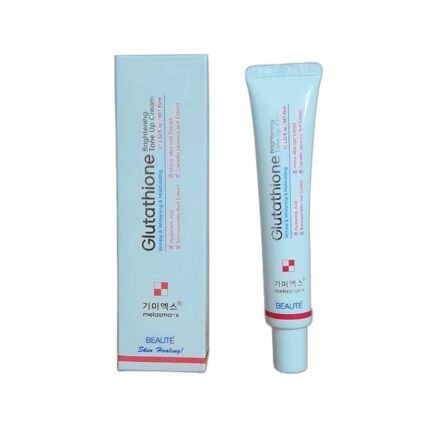 Sale
SaleOriginal price was: ৳ 1,250.00.৳ 950.00Current price is: ৳ 950.00.
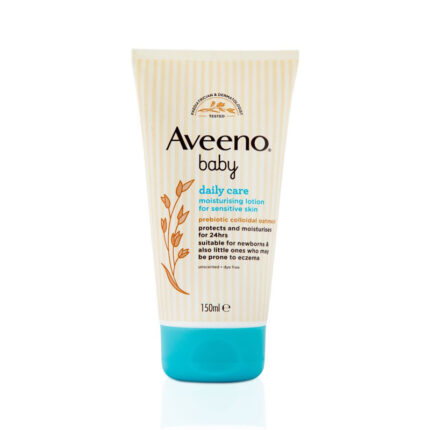 Sale
SaleOriginal price was: ৳ 1,400.00.৳ 890.00Current price is: ৳ 890.00.
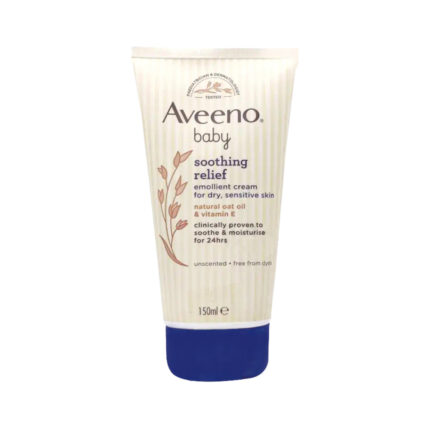 Sale
SaleOriginal price was: ৳ 2,300.00.৳ 1,490.00Current price is: ৳ 1,490.00.
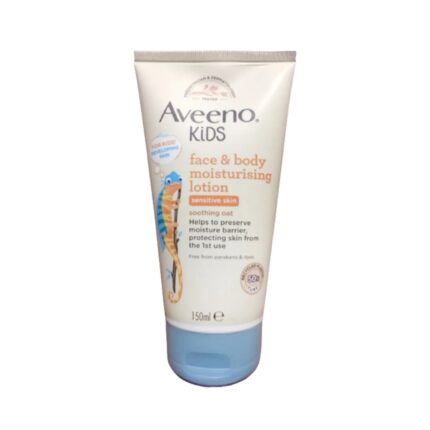 Sale
SaleOriginal price was: ৳ 1,750.00.৳ 1,349.00Current price is: ৳ 1,349.00.
Castor Oil benefits for skin and hair
Castor Oil acts as an occlusive conditioning ingredient on skin, which means it helps lock in moisture. That property makes the oil useful for dry patches, cuticles, and chapped lips. Many people report smoother skin after regular application.
For hair, Castor Oil can add shine and reduce frizz when used sparingly. Because it is thicker than many oils, it clings to strands and helps protect them from moisture loss. Research indicates that oils which coat hair can reduce breakage from brushing.
Skin benefits explained
Castor Oil contains ricinoleic acid, a fatty acid that influences skin feel and barrier function. This acid gives the oil a slightly thicker texture than lighter oils. Users often find that a small amount eases dry skin while leaving a soft sheen.
Dermatologists recommend patch testing any new oil before wider use to check for irritation. That is why a small trial on the inner forearm helps avoid allergic reactions. If redness or itching occurs, stop using the product.
Hair benefits explained
When applied at the ends, Castor Oil can condition split ends temporarily and reduce the appearance of frizz. Applying a light amount to the scalp may help hair feel hydrated for some users. Still, heavy use can weigh hair down, so moderation matters.
How Castor Oil compares to other oils
Compared with lighter oils like jojoba or grapeseed, Castor Oil feels thicker and more viscous. That density makes it a strong occlusive conditioning ingredient, especially for very dry areas. Consumers often blend it with lighter oils to balance feel and absorption.
Because of its unique composition, Castor Oil stands out for providing a protective coating on skin. For example, almond oil soaks in quickly and feels light. Instead, Castor Oil stays on the surface longer and guards against moisture loss.
Choosing the right Castor Oil product
Look for cold-pressed or expeller-pressed products that list ricinus communis seed oil on the label. Those labels confirm a plant-based origin and standard processing. Many quality brands also state “hexane-free” or “cold-pressed” for clarity.
Organic certification can matter if you prefer crops grown without synthetic pesticides. However, certification alone does not guarantee superior processing. That is why checking company transparency and testing practices helps you choose wisely.
What to check on the label
First, confirm the INCI name ricinus communis seed oil. Next, check for processing notes like “cold-pressed”. Finally, scan for additives or fragrances if you want a pure, single-ingredient product. Pure oil has a neutral scent and fewer reaction risks.
How to use Castor Oil safely at home
Start with a patch test before applying Castor Oil to larger skin areas. Apply a small drop to the inner forearm and wait 24 hours to watch for irritation. This simple step helps prevent unexpected reactions.
For dry skin, warm a pea-sized amount between fingers and massage into target areas. Because the oil is thick, a little goes a long way. For hair, warm a few drops and focus on slicking through ends or massaging the scalp gently.
Scalp treatments and hair masks
When using Castor Oil as a scalp treatment, mix it with a lighter carrier oil first. For example, blend with almond or jojoba oil to ease application and reduce heaviness. Then, apply a small amount and leave it on for 20 to 60 minutes before washing.
Because Castor Oil can be sticky, you may prefer an overnight mask only if you protect your pillow. As a result, many people apply treatments before showering to simplify cleanup. Use a clarifying shampoo if needed to remove residue.
Skin care routines
Use Castor Oil as the last step of a nighttime skin routine to seal in hydration. Because it forms a barrier, it works best over a lighter moisturizer. That approach traps moisture and supports the skin barrier overnight.
If you have oily or acne-prone skin, use Castor Oil sparingly and avoid heavy facial use. While some users find benefits, others report clogged pores from thick oils. Always combine small amounts with non-comedogenic products in those cases.
Common DIY recipes and mixes
Many shoppers like simple, homemade blends that pair Castor Oil with lighter oils. A typical mix uses one part Castor Oil to two or three parts coconut, almond, or jojoba oil. This ratio keeps conditioning power while easing spreadability.
For lash or brow serums, mix a small drop of Castor Oil with vitamin E oil and apply with a clean spoolie at night. Since the eye area is sensitive, keep the amount minimal and avoid getting oil into the eye. If discomfort occurs, flush the eye with water and stop use.
Hand and cuticle treatment
For a simple hand treatment, massage a tiny amount into nails and cuticles after washing. As a result, the oil helps soften hangnails and reduce dryness. Use this routine a few times per week for best results.
Soothing dry elbows and knees
Mix Castor Oil with a small amount of shea butter to create a heavier balm. Apply the mixture to rough areas and cover with a sock or glove overnight for intensive care. Because the oil seals moisture, this method speeds softening.
Safety concerns and who should avoid it
Pregnant people should speak with a healthcare provider before using Castor Oil for any internal use. While topical application typically carries low risk, internal use has historically been advised only under medical supervision. Research indicates that internal use can cause strong contractions, which is why professional guidance matters.
Allergic reactions to Castor Oil are uncommon but possible. Watch for redness, swelling, or itching after first use. If you encounter any of those signs, stop using the product and consult a medical professional if symptoms persist.
Children and sensitive skin
Use extra caution when applying Castor Oil to children’s skin. Start with diluted formulations and test a small area first. That way you reduce risk and check for tolerance before wider use.
Scientific background and expert views
Research indicates that ricinoleic acid contributes to the oil’s thick texture and skin feel. Studies show that fatty acids like these form a barrier that reduces transepidermal water loss. Dermatologists often recommend occlusive ingredients for very dry skin because they seal moisture effectively.
That said, experts also stress moderation because heavy oils can trap debris on oily skin. For that reason, combining Castor Oil with regular cleansing and targeted moisturizers provides balanced care. Clinical guidance varies, so seek a dermatologist for chronic skin concerns.
Comparing types: cold-pressed, Jamaican black, and refined
Cold-pressed Castor Oil retains more of its natural compounds and typically has a milder scent. Jamaican black Castor Oil is heated during processing and has a darker color and stronger aroma. Refined Castor Oil undergoes further processing for a lighter color and neutral smell.
Because each type has a different feel, choose based on how you plan to use it. For facial skin where scent matters, refined or cold-pressed options suit many users. For hair masks, Jamaican black Castor Oil appeals to those wanting stronger hold and a deeper conditioning effect.
How to store Castor Oil
Store Castor Oil in a cool, dark place away from direct sunlight to preserve freshness. A tightly sealed amber bottle reduces oxidation risk and keeps the oil stable. Most unopened oils last longer than opened ones, but check for off smells or cloudiness as signs of spoilage.
Because Castor Oil thickens in colder temperatures, warm the bottle between hands before use. Warming helps the oil flow and eases measurement for recipes. Do not heat in a microwave or on a stovetop to avoid overheating and degrading the oil.
Shopping tips and price considerations
Price varies with processing method, brand, and certification. Generally, cold-pressed or organic products cost more than refined varieties. Still, a small bottle often lasts months, which can make higher-quality options more economical over time.
Read ingredient lists to ensure purity. Some low-cost products include additives or fragrances that change feel and risk irritation. That is why paying attention to labels helps you find a product that matches goals and skin needs.
Common myths and misconceptions
One common myth claims Castor Oil will dramatically speed hair growth overnight. While the oil supports hair health, it does not change genetics or hair growth cycles. Real improvements come from consistent care, not instant results.
Another misconception says that thicker oils always clog pores. In truth, pore-clogging potential depends on oil type and skin type. Many people with normal skin can use Castor Oil without issues when they apply it correctly and sparingly.
Sustainable and ethical considerations
Choose brands that share sourcing and testing information if sustainability matters to you. Some companies highlight fair trade practices or local sourcing for their ricinus communis seed oil. Buying from transparent brands supports ethical production and consumer trust.
Because Castor Oil derives from a crop, crop management affects environmental impact. That is why organic farming and minimal processing can reduce chemical inputs and energy use. Small steps like checking labels promote more responsible choices.
How to read product reviews wisely
Look for reviews that explain user skin type and how the product performed over weeks. Short, vague reviews offer less useful guidance than detailed accounts. Also, weigh both positive and negative reviews to get a balanced view.
Pay attention to common themes across reviews, such as reports of scent, texture, or irritation. If many users with similar skin report the same issues, that feedback is informative. Use it to decide if a product matches your preferences.
When to seek professional advice
If you have chronic skin conditions like eczema or rosacea, talk with a dermatologist before adding Castor Oil. A professional can suggest safe routines and spot potential interactions with treatments. That step helps avoid worsening sensitive conditions.
Also consult a doctor if you plan to use the oil for internal purposes or unusual medical uses. Medical supervision is essential when using substances beyond standard topical care. Safety should guide any non-standard application.
Emergency and allergy steps
If severe swelling or breathing difficulty occurs after exposure, seek emergency medical help right away. Those symptoms can indicate a serious allergic reaction. For mild irritation, stop use, rinse the area, and monitor symptoms closely.
Keep product containers and labels for reference if you seek medical help. Providing ingredient information makes it easier for professionals to identify risks. That practice helps in urgent situations.
Practical routines for daily use
For hands and feet, apply a small amount of Castor Oil after showering to lock in moisture. Wear socks or gloves for deeper treatment overnight when needed. This routine is simple and often improves rough patches within weeks of regular use.
For hair maintenance, use a weekly mask with Castor Oil diluted in lighter oil. Rinse thoroughly and follow with a gentle shampoo. This pattern offers conditioning benefits without leaving heavy residue.
How to mix Castor Oil with other ingredients
Pair Castor Oil with essential oils for fragrance only if your skin tolerates them. Use no more than one or two drops of essential oil per tablespoon of carrier oil. That ratio lowers irritation risk and keeps blends gentle.
Because some additives can change texture, test mixtures on a small area first. When combining with water-based ingredients, use an emulsifier or apply the oil to dry skin to avoid separation. Simple blends minimize complications.
Travel tips for carrying Castor Oil
Transfer a small amount to a travel-size amber bottle to save space and protect the oil. Keep the bottle upright to avoid leaks and place it in a sealed bag inside your luggage. These steps reduce mess and keep your bag clean.
Check TSA and airline rules if you carry liquids in carry-on luggage. Most travel policies limit container sizes, so plan accordingly. Small bottles typically meet travel requirements and are more convenient on the go.
Environmental disposal and recycling
Most glass bottles for Castor Oil are recyclable in standard systems. Rinse bottles lightly and follow local recycling rules. Avoid pouring large volumes of oil into drains because oils can clog plumbing and harm wastewater systems.
Small amounts of oil can be mixed into compost if allowed locally, but check municipal guidelines first. Responsible disposal helps protect the environment and local infrastructure.
Popular brand types and price ranges
Brands vary from affordable domestic labels to premium organic importers. Affordable brands often sell refined or blended forms, while premium options highlight cold-pressed, organic processing. Price does not always equal quality, but brand transparency correlates with trust.
Because different users have different needs, consider product size and intended use before buying. For occasional hand care, a small bottle suffices. For regular hair treatments, a larger volume may be more cost effective.
Realistic expectations for results
Expect gradual improvement with consistent use rather than immediate transformation. For example, skin barrier repair and nail strengthening often show progress over weeks. That is why a regular, measured routine gives the best chance for improvement.
Keep a simple log of treatments and outcomes if you want to track progress. Noting when you applied the oil and any changes helps you learn what works. Adjust frequency and amount based on observed results.
Frequently Asked Questions
Is Castor Oil safe for facial use?
Many people use Castor Oil on the face with caution, but it can be too heavy for oily skin. Start with a patch test and try a diluted mix with a lighter oil. If you notice breakouts, discontinue use.
Can Castor Oil help with hair growth?
Castor Oil may improve hair sheen and reduce breakage, which helps hair appear fuller. However, it does not change hair growth cycles directly. Consistent care and scalp health support better hair outcomes.
How often should I use Castor Oil on nails?
Apply Castor Oil to nails and cuticles two to four times per week for best results. Massage in a small amount after washing hands or before bed. Regular use helps soften cuticles and support stronger nails.
What is the difference between Castor Oil types?
Cold-pressed oil retains more natural compounds and has a milder scent. Jamaican black Castor Oil is darker and stronger due to roasting. Refined oil has a lighter smell and color for those preferring neutrality.
Final Thoughts
Castor Oil can be a powerful occlusive conditioning ingredient for the right skin and hair needs. Try a small, consistent routine and choose products labeled ricinus communis seed oil for purity. For everyday use, pick a trusted brand and start with a patch test to ensure safety and comfort.