
Coco-Caprylate/Caprate: Natural Silicone Alternative

Many shoppers want smooth, non-greasy skincare that absorbs quickly. Coco-Caprylate/Caprate appears on labels as a lightweight emollient and a natural silicone alternative ingredient. It often replaces heavier oils or synthetic silicones in creams, serums, and hair products.
What is Coco-Caprylate/Caprate?
Coco-Caprylate/Caprate is an ester derived from coconut alcohols and caprylic/capric fatty acids. Because it comes from plant sources, it shows up in cleaner beauty lines. Studies show consumers often choose it for a silky feel without silicones.
For example, chemists make this ingredient by reacting fatty acids and fatty alcohols to form an ester. That reaction creates a lightweight oil that spreads easily. Research indicates it provides a silicone-like feel without using dimethicone or cyclomethicone.
Recommended Products
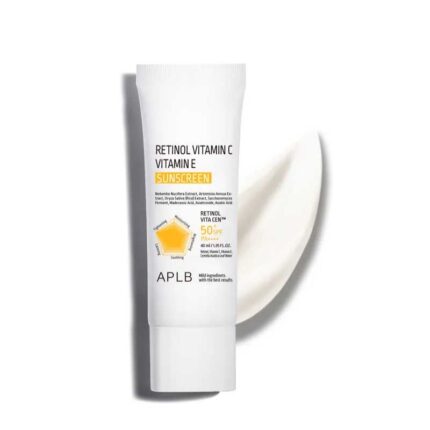 Sale
SaleOriginal price was: ৳ 1,260.00.৳ 882.00Current price is: ৳ 882.00.
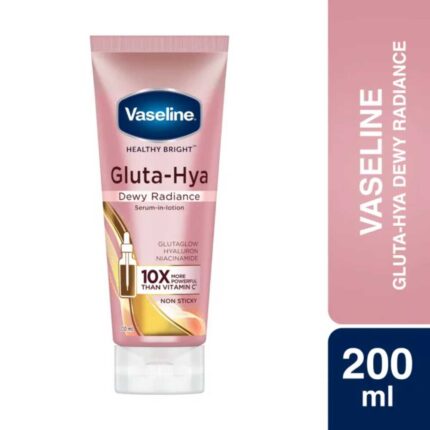
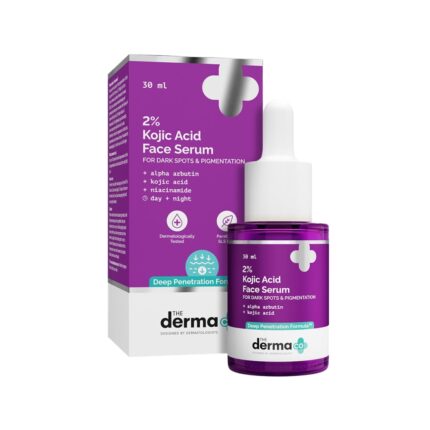 Sale
SaleOriginal price was: ৳ 1,350.00.৳ 990.00Current price is: ৳ 990.00.
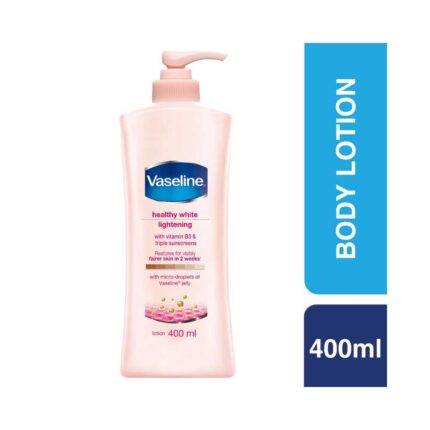 Sale
SaleOriginal price was: ৳ 570.00.৳ 520.00Current price is: ৳ 520.00.
How Coco-Caprylate/Caprate Feels and Performs
This ingredient gives skin a smooth, soft finish with a dry slip. Because it evaporates or spreads thinly, the skin rarely feels greasy. Dermatologists recommend light emollients when people want fast absorption and a breathable finish.
That is why many formulas use it to improve spreadability. When added to formulas, it can reduce tackiness and boost shine control. Several brands report improved consumer sensory scores after swapping in this ingredient.
Benefits for Skin and Hair
Coco-Caprylate/Caprate functions as a lightweight emollient that conditions skin and hair. Studies show it helps hair comb easily while reducing static. It also leaves skin soft without a heavy film.
Because it mimics silicones, it smooths the surface of hair and skin. This effect helps makeup and skincare spread more evenly. For hair, the ingredient improves shine and detangling.
Why Brands Use It as a Natural Silicone Alternative
Many consumers ask for silicone-free products. For that reason, formulators choose Coco-Caprylate/Caprate as a natural silicone alternative ingredient. This swap lets brands market softer hair and lighter creams without synthetic silicones.
Research indicates ingredient sourcing and consumer demand drive this change. While silicones like dimethicone provide a barrier feel, Coco-Caprylate/Caprate offers a breathable finish. That means people can enjoy smoothness without buildup concerns.
How It Compares to Traditional Silicones
Silicones create a slick surface that can feel heavier over time. Instead, Coco-Caprylate/Caprate gives similar slip with less residue. Studies show many users cannot tell the two apart in sensory tests.
Still, the chemical nature differs. Silicones are silicon-based polymers. This ingredient is an ester from natural fatty acids and alcohols, which breaks down more easily in formulas.
Common Uses in Cosmetics and Personal Care
Formulators add Coco-Caprylate/Caprate to lotions, serums, sunscreens, and hair serums. For example, it improves spread and reduces greasiness in daytime moisturizers. It also enhances shine in leave-in hair products.
Because of its fast absorption, many day creams rely on it for a matte finish. Some sunscreens include it to decrease tackiness and improve sensory acceptance. Skin care brands often cite better product feel after inclusion.
Typical Concentrations and Formulation Tips
Manufacturers usually use this ingredient at low to moderate levels, often between 1% and 10% in a formula. Research indicates that low percentages produce noticeable slip and shine without destabilizing emulsions. Chemists adjust concentrations to match the desired finish.
When blending, add Coco-Caprylate/Caprate to the oil phase or at the cool-down stage if needed. That keeps its sensory properties intact. Lab tests show it mixes well with plant oils and common emulsifiers.
How to Read Labels and Choose Products
Look for Coco-Caprylate/Caprate on ingredient lists when you want a silicone-like feel from natural sources. Because many brands market silicone-free choices, this name helps shoppers compare options. For buyers seeking lightweight emollients, it often signals good feel.
That is why reading labels matters when you avoid silicones. If a product lists dimethicone, it still contains silicone. Instead, a listing of Coco-Caprylate/Caprate typically indicates a plant-derived ester. Still, check the rest of the formula for your needs.
Performance for Different Skin Types
Oily skin types often prefer fast-absorbing, non-greasy ingredients. Coco-Caprylate/Caprate suits those needs and can reduce surface shine. Dermatologists note that non-comedogenic options help oily and acne-prone skin feel comfortable.
Dry skin may need more occlusion, so combining this ingredient with richer oils can help. That means pairing it with shea butter, glycerin, or ceramides for sustained hydration. For sensitive skin, patch testing is a good practice before full use.
Shelf Life and Stability
Products that include esters like Coco-Caprylate/Caprate typically show good shelf life when preserved properly. Because it has a stable chemical structure, it does not oxidize as fast as some unsaturated oils. Studies show ester-based emollients maintain sensory properties over many months in stable formulas.
That said, proper preservation and packaging matter. Store products away from heat and direct sunlight to keep them stable. If a product changes smell or texture, stop using it and check the expiration date.
Safety and Allergen Questions
Regulatory reviews list this ingredient as generally safe for cosmetic use when formulated properly. Dermatologists recommend patch tests for people with sensitive skin. Research indicates allergic reactions are rare but can occur with any ingredient.
When irritation appears, stop use and consult a professional. Since formulas vary, that reaction may come from other included ingredients. For example, fragrances or preservatives often trigger more reactions than esters do.
Environmental and Sustainability Considerations
Because Coco-Caprylate/Caprate is largely plant-derived, some brands present it as a greener alternative. Studies show plant-based esters can lower reliance on petrochemicals. However, the sustainability profile depends on the full supply chain and farming practices.
That means look for brands that share sourcing details when sustainability matters. Some manufacturers use responsibly sourced coconut or palm derivatives. Still, verify third-party sustainability claims when possible.
Packaging and Product Feel
Packaging influences how well this ingredient performs on the shelf and at application. Airless pumps often protect formulas that rely on light emollients. Because the ingredient helps with spreadability, bottles and tubes deliver the expected feel easily.
When choosing products, test a small sample if you can. Touch and spread on the skin will quickly reveal the lightweight slip. Many consumers switch to items with this ingredient after a single positive trial.
Common Myths and Misconceptions
Some shoppers assume “natural” always equals “gentle.” While this ingredient is plant-derived, reactions can still occur. Dermatologists caution that natural origin does not guarantee zero irritation.
Another myth suggests that silicones are always bad. In reality, silicones serve useful functions and can be safe for many users. Coco-Caprylate/Caprate offers an alternative, not a blanket replacement for every formula need.
How to Incorporate It into Your Routine
Start with serums or lightweight lotions that list Coco-Caprylate/Caprate near the top. Because it delivers a fast-drying finish, it pairs well with daytime products. For hair, apply a small amount to towel-dried ends before styling.
That approach keeps daily routines simple and effective. If you use strong actives like retinoids, layer sunscreen with a product containing this ingredient for comfortable feel. For example, sunscreens with it often feel less sticky during wear.
Alternatives and Complementary Ingredients
There are other plant-based emollients to consider, such as squalane and esters like isopropyl myristate. Each offers a slightly different film and slip on skin. Coco-Caprylate/Caprate tends to sit between light oils and heavier silicones in feel.
Complement it with humectants like glycerin for hydration. That mix supports surface smoothness and deeper moisture. For hair, pair with mild proteins or panthenol to improve strength and shine.
Shopping Tips and What to Expect
Expect products with Coco-Caprylate/Caprate to feel lightweight and non-greasy. For that reason, many people prefer such items in warm climates. Reviews often note quick absorption and a pleasant finish.
When testing, rub a small amount between fingers and spread on the back of the hand. If it absorbs and leaves a soft, dry feel, you likely found the effect this ingredient provides. That simple trial helps you avoid lengthy returns.
Label Notes: What to Watch For
Some products list this ingredient among many esters. Because ingredient order reflects concentration, check where it appears. If it is early in the list, the formula likely relies on it for feel.
That is why consumers who prefer this effect should scan labels carefully. Also look for related esters like Coco-Caprylate/Caprate mixed with other emollients. A balanced formula usually combines several ingredients for texture and performance.
Regulatory Status and Industry Use
Regulators generally permit Coco-Caprylate/Caprate in cosmetics when used within standard limits. Industry formulators favor it for multiple product types from sunscreens to color cosmetics. Research indicates it meets common safety and efficacy criteria for topical use.
Because the ingredient has a stable track record, many brands include it widely. For that reason, seeing it on a label is common across mid-range and premium lines. Still, always check product-specific recommendations when you have concerns.
DIY and Home Formulation Notes
Hobbyist formulators sometimes add Coco-Caprylate/Caprate to homemade serums to gain a dry finish. When making DIY products, accurate measurements and proper preservation are essential. Studies show that improper preservation leads to contamination risks.
For safety, follow established recipes and sanitation practices. That reduces the chance of irritation or spoilage. Because the ingredient blends easily, it can be a useful tool for at-home experiments when used carefully.
Industry Trends and Consumer Demand
Consumer demand for cleaner labels and silicone-free claims keeps this ingredient popular. Research indicates sales of silicone-free products have grown as shoppers seek alternatives. That trend drives more product launches with Coco-Caprylate/Caprate included.
Some brands highlight it as a star ingredient for sensory appeal. As a result, marketing often demonstrates the product feel in reviews and samples. For shoppers, that provides real-world feedback to guide choices.
Clinical and Laboratory Findings
Laboratory testing often measures spreadability and sensory perception with this ingredient. Studies show esters like Coco-Caprylate/Caprate produce measurable decreases in tack and residue. For that reason, formulators value its predictable performance in trials.
That predictability makes product development faster for some teams. Still, full consumer testing remains important before wide release. Test panels frequently report a silkier finish with its inclusion.
Tips for Sensitive or Reactive Skin
Patch test any new product for 24 to 48 hours before full use. If redness or stinging appears, stop and consult a dermatologist. Studies indicate that most adverse events are related to fragrances or preservatives, not esters themselves.
That means look for fragrance-free options if you have reactive skin. Many gentle formulations pair Coco-Caprylate/Caprate with calming extracts and minimal irritants. This approach reduces the risk of a negative reaction.
Cost and Market Availability
Compared with some silicones, this ingredient can be slightly more costly for manufacturers. However, many brands absorb that cost to meet consumer demand. As a result, products with it remain widely available at various price points.
Because bulk purchasing grows, suppliers often offer competitive pricing to formulators. That helps smaller brands include it without a major cost increase. For shoppers, that means more choices in the marketplace.
How It Affects Makeup and Foundation
Makeup formulators add Coco-Caprylate/Caprate to foundations for smoother glide and less drag. That gives a seamless finish that many wearers prefer. Research indicates better spread and lower patchiness in some formulas using it.
Because it dries to a subtle, silky film, it can help reduce cakey appearance. For everyday use, that creates a more natural finish. Makeup artists often choose products with it for comfortable long wear.
Storage, Handling, and Disposal
Store products containing this ingredient at room temperature away from direct sunlight. That helps preserve the formula and scent. For disposal, follow local guidelines for cosmetic products and bottles.
Do not pour large quantities down drains if you clean a formulation batch. Small household amounts in normal use do not typically require special disposal. Still, local regulations may apply for industrial quantities.
Comparing Labels: What Phrases Mean
Labels may say “silicone-free” or “plant-derived” when this ingredient is present. Because terminology varies, read the ingredient list to confirm. A “plant-derived” claim often signals esters like Coco-Caprylate/Caprate are included.
That helps you judge whether a product meets your preference for natural or silicone-free options. Brands sometimes pair the ingredient with other plant oils to strengthen the claim. For shoppers, transparency in labeling matters most.
How It Supports a Lightweight Routine
People who prefer minimal routines benefit from the quick-absorbing feel of this ingredient. Products that layer without heaviness help maintain comfort all day. Because many active ingredients work better on non-greasy skin, this ingredient supports layered skincare.
That means you can apply vitamin serums, then a moisturizer with Coco-Caprylate/Caprate, and finish with sunscreen. The light finish reduces product drag and shine. Many morning routines feel more comfortable as a result.
Frequently Asked Questions
Is Coco-Caprylate/Caprate safe for acne-prone skin?
Yes, many acne-prone individuals tolerate it well because it feels non-greasy and avoids heavy occlusion. However, always patch test if you have known sensitivities. If irritation appears, stop use and consult a dermatologist.
Does it replace silicones entirely in hair care?
Not always; it offers similar slip and shine but may not match every silicone property. For example, some silicones add long-term smoothing that esters cannot fully replicate. Many formulas blend esters with other ingredients to reach target performance.
Can I use it with active ingredients like retinol?
Yes, it pairs well with actives because it does not block penetration or feel heavy on skin. For that reason, daytime products with this ingredient often feel comfortable under sunscreen. Still, follow active ingredient instructions for timing and concentration.
Is it truly natural or synthetic?
It is plant-derived and made by combining natural fatty alcohols and acids into an ester, so it is often described as naturally derived. That means it sits between wholly synthetic silicones and raw plant oils. The final ingredient is a processed ester used for sensory benefits.
Final Thoughts
Coco-Caprylate/Caprate offers a practical, plant-derived option for people who want silicone-like feel without heavy residue. For shoppers seeking a natural silicone alternative ingredient and a lightweight emollient, this ingredient balances feel and performance. Try a small test product containing it to confirm the finish and enjoy faster absorption with a soft, non-greasy result.