
Methyl Gluceth-20: Gentle Hydration for Skin

Many shoppers want a simple way to find products that hydrate without heavy residue. Methyl Gluceth-20 shows up on labels of creams and lotions for that reason. This ingredient offers a mild, glucose-derived humectant that helps skin feel softer quickly.
What is Methyl Gluceth-20?
Methyl Gluceth-20 is a modified sugar alcohol used in skin care and cosmetics. Chemists make it from glucose and glycerin to form a gentle humectant ingredient. This glucose derived moisturizing compound attracts water and holds it near the skin surface.
Because it comes from sugar, the compound is often called a mild humectant. Studies show humectants help reduce water loss when combined with emollients and occlusives. That is why formulators add Methyl Gluceth-20 to leave skin hydrated without a greasy finish.
Recommended Products
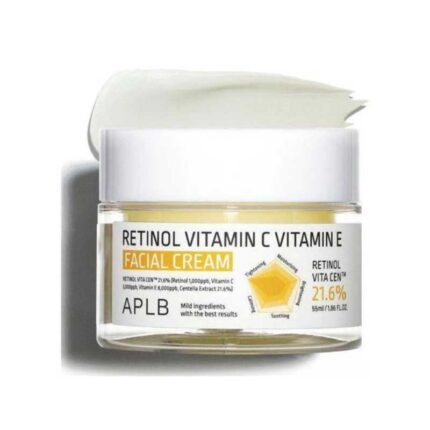 Sale
SaleOriginal price was: ৳ 1,380.00.৳ 966.00Current price is: ৳ 966.00.
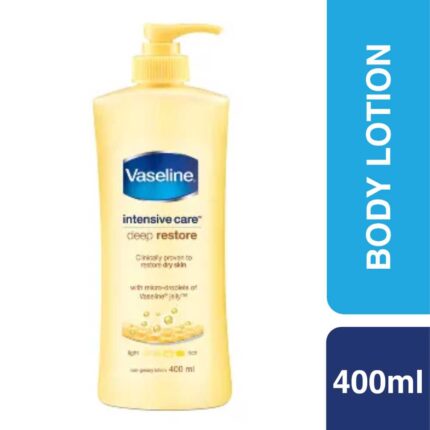 Sale
SaleOriginal price was: ৳ 550.00.৳ 510.00Current price is: ৳ 510.00.
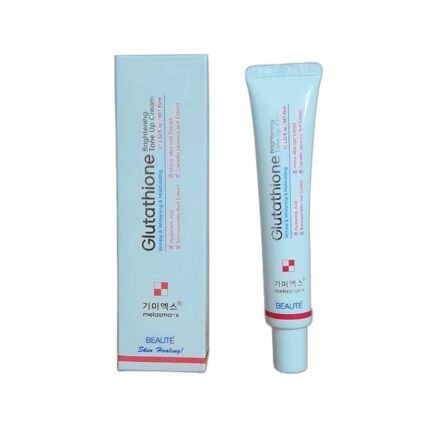 Sale
SaleOriginal price was: ৳ 1,250.00.৳ 950.00Current price is: ৳ 950.00.
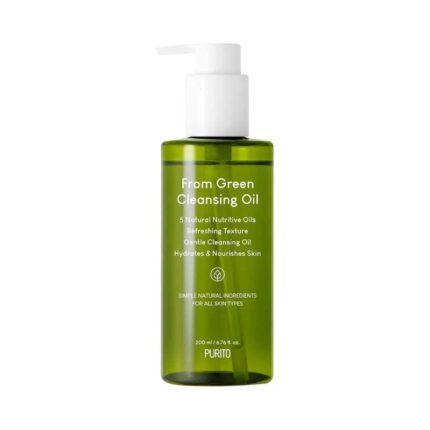 Sale
SaleOriginal price was: ৳ 3,140.00.৳ 2,198.00Current price is: ৳ 2,198.00.
How Methyl Gluceth-20 Works on Skin
When applied, Methyl Gluceth-20 draws moisture from the air and deeper skin layers toward the outer layer. The skin then feels plumper and smoother almost immediately. This effect improves softening and reduces the tight feeling that comes with dryness.
For example, glycerin works in a related way, but Methyl Gluceth-20 offers a lighter feel. Dermatologists recommend humectants for dry patches and mild inflammation because they help restore barrier comfort. Research indicates combining humectants yields more durable hydration than using one alone.
Key Benefits for Daily Use
Methyl Gluceth-20 offers several practical benefits for everyday skin care. It hydrates without heavy oils, so makeup layers sit better and creams feel lighter. Consumers often report smoother texture and less flaking after regular use.
Still, the ingredient also boosts spreadability. That is why formulators prefer it in lotions and serums. It helps products glide easily over the skin and leaves a soft after-feel.
Hydration and Moisture Retention
Methyl Gluceth-20 attracts water to the skin surface and helps hold it there. This means moisture levels improve when you use products that contain it. Because moisture rises to the outer layer, skin can look healthier and less dull.
Texture and Product Feel
The compound reduces tackiness and heavy residues in many formulations. Consumers notice lighter creams and smoother serums when the ingredient is present. That makes daily routines more pleasant for sensitive or oily skin types.
Compatibility with Other Ingredients
Methyl Gluceth-20 mixes well with common active ingredients such as vitamins and exfoliants. When combined correctly, it supports delivery without interfering with efficacy. However, formulators adjust concentrations to match pH and other component needs.
Is Methyl Gluceth-20 Safe?
Safety profiles for Methyl Gluceth-20 are favorable in general cosmetic use. Patch testing in studies typically shows low irritation potential. Dermatologists often choose it for sensitive-skin formulations for that reason.
Although allergic reactions are rare, anyone can react to a product. That means doing a small patch test is a good idea before full-face application. If redness or itching appears, stop use and consult a professional.
Common Uses in Products
Manufacturers add Methyl Gluceth-20 to lotions, creams, cleansers, and eye products. It helps maintain hydration after cleansing and can reduce dry tightness. Many facial and body products contain it at low percentages to enhance feel.
Because the compound supports texture, you will find it in makeup primers and after-sun lotions too. Consumers often see it listed in multi-ingredient formulas dedicated to sensitive and mature skin care.
How to Find Products with Methyl Gluceth-20
Look at ingredient lists on product packaging to spot Methyl Gluceth-20. Ingredients appear in descending order of concentration. For visible benefits, find it near the top half of the list, though even small amounts can improve texture.
When shopping, read product descriptions that mention humectant ingredient support or moisture boosting. Reviews often highlight how a product feels, which can help you decide if it matches your preferences. Try a tester or sample when possible before buying full size.
How to Use Products Containing Methyl Gluceth-20
Apply a small amount to clean skin and massage gently until absorbed. Using it twice daily, morning and night, yields steady improvement in hydration. Pair with sunscreen in the morning to protect the skin barrier while moisture improves.
For very dry skin, combine it with a richer cream to lock in hydration. For oily skin, choose a lighter serum that contains the compound to avoid heavy layering. That way you keep skin balanced without adding shine.
Comparing Methyl Gluceth-20 to Other Humectants
Glycerin and hyaluronic acid are common humectants people already know. Methyl Gluceth-20 offers a lighter feel and blends smoothly into formulas. While hyaluronic acid holds much more water by weight, the compound provides gentle hydration with less tack.
Because of its sugar origin, the compound can work with botanical extracts without causing separation. That means you can find it in natural-feel formulations and in clinical textures. If you want strong water-binding, you might prefer hyaluronic acid alongside Methyl Gluceth-20.
Formulation Tips and Concentrations
Typical labeling does not show exact percentages for Methyl Gluceth-20, but formulators often use low single-digit concentrations. Even small amounts can affect texture and hydration noticeably. That is why manufacturers test blends to match product goals.
When combined with occlusives like petrolatum or dimethicone, the compound helps lock moisture in. That boost improves long-term skin comfort. Still, keep an eye on product feel to ensure compatibility with your skin type.
Who Benefits Most from Methyl Gluceth-20?
People with dry, sensitive, or aging skin often benefit from products that include it. The compound eases tightness and reduces flaking for many users. Young oily skin types can use lighter formulas that include it for balanced hydration without residue.
That said, individual results vary. For acne-prone skin, choose non-comedogenic products that include the ingredient. For sensitive skin, look for fragrance-free formulations to reduce potential irritation.
Environmental and Sourcing Notes
Methyl Gluceth-20 derives from glucose, a plant-based sugar, and from glycerin. Manufacturers can source those components from renewable feedstocks. Consumers who care about origin should check packaging for sustainability claims or certifications.
Still, not all products carry full supply-chain details. If sourcing matters for you, contact brands directly to learn more about their practices. Many reputable manufacturers will share basic sourcing information on request.
Cost and Availability
Products that include Methyl Gluceth-20 range from drugstore to premium prices. The ingredient itself does not add significant cost, but formulation and brand positioning do. You can find affordable lotions and higher-end serums that list it on the label.
For budget-friendly options, search for lightweight moisturizers aimed at everyday hydration. Often those provide good performance thanks to smart humectant blends. For targeted treatment, consider serums that combine it with other actives.
What to Expect After Regular Use
Expect softer skin within days and improved texture over weeks with steady use. Fine flakiness usually reduces, and skin often feels more comfortable. Results depend on baseline skin condition and how consistently you apply the product.
As a result of continued hydration, makeup sits more evenly. You might also see fewer dry lines and less itching during cold months. Keep using sunscreen daily to protect hydration gains from UV stress.
Combination with Active Treatments
Methyl Gluceth-20 can work alongside retinoids and exfoliants when formulas and timing are managed. Use it in the same routine to mitigate dryness from stronger actives. That means applying hydrating serums or creams on the same day as retinoid use.
However, watch for irritation when starting new actives. If redness appears, reduce frequency and add a gentle product that contains the compound to restore comfort. Seek guidance from a dermatologist for persistent reactions.
Label Terms and What They Mean
Labels may mention “humectant ingredient” or “hydrating agent” rather than list the name explicitly. When you see those terms, check the ingredient list to find Methyl Gluceth-20. That will confirm whether the product includes the compound.
For “glucose derived moisturizing compound” phrasing, the label often points to sugar-based humectants. Those phrases help you identify products that favor mild, plant-derived ingredients. Consumers who want lighter hydration should watch for these clues when shopping.
Myths and Misunderstandings
Some people think sugar-derived ingredients always cause stickiness or breakouts. That is not accurate for Methyl Gluceth-20 in low concentrations. Many find it less sticky than glycerin and friendlier for oily skin types.
Another myth says humectants always pull water from the skin in dry climates. In very low humidity, humectants can pull moisture from deeper layers, but paired occlusives prevent net loss. Therefore pairing the compound with barrier-supporting ingredients avoids that issue.
Testing and Patch Tips
Always perform a patch test on the inner wrist or behind the ear when trying a new product. Apply a small amount and wait 24 to 48 hours to check for reaction. If no irritation appears, the product is likely safe for broader use.
When trying multiple new products, introduce one at a time. This practice helps you identify the source if irritation develops. Keep a simple routine during testing to reduce variables.
Shopping Checklist
When you shop for products with Methyl Gluceth-20, check for fragrance-free options if you have sensitive skin. Also look for additional humectants and a mild occlusive for longer hydration. Read reviews that mention texture and feel for real-world feedback.
That is why choosing a sample or travel size can be a smart first step. It lets you test compatibility without committing to a full bottle. If the product works well for a week or two, consider a larger purchase.
Regulatory and Labeling Context
Regulatory agencies typically consider Methyl Gluceth-20 safe for cosmetic use at common concentrations. Companies follow guidelines for testing and labeling. Consumers can check safety statements on product pages or brand materials when available.
While agencies monitor claims, brands may still use different terminology. Search ingredient lists rather than relying solely on marketing language. That helps you find the right product based on formulation rather than buzzwords.
Real-World User Experiences
Many users praise products that contain Methyl Gluceth-20 for leaving skin comfortable after cleansing. Reviewers often mention lighter feel and faster absorption. People with seasonal dryness report steady improvement when they keep using such products.
Still, preferences vary. Some users prioritize heavy creams for winter, and they may choose richer occlusives combined with humectants. Try combinations that reflect your climate and skin needs for the best outcome.
Professional Recommendations
Dermatologists recommend pairing hydrating humectants with barrier-repair ingredients for lasting results. Methyl Gluceth-20 fits this guidance when used with ceramides or fatty acids. That approach supports both immediate comfort and longer-term barrier health.
Skincare professionals also advise patience; barrier repair takes weeks to show full results. While immediate smoothing is common, sustained benefits need ongoing use. If persistent dryness or irritation continues, consult a professional.
Alternatives and Complementary Ingredients
Consider hyaluronic acid for deeper hydration and glycerin for strong humectant action. Methyl Gluceth-20 complements those ingredients by improving texture. You can build a routine that balances deep hydration and a pleasant feel.
For barrier repair, choose ceramides or fatty acids as complementary actives. For calming effects, add niacinamide or oat extract in formulations that also contain the compound. This mix supports both moisture and skin comfort.
Scientific Framing of Effects
Studies show humectants improve stratum corneum hydration when present in well-formulated products. Research indicates combining multiple hydrating and barrier-supporting ingredients yields superior results. That evidence supports formulating with Methyl Gluceth-20 alongside other actives.
Clinical tests often measure transepidermal water loss to show barrier improvement. Results typically show decreased water loss when formulations include both humectants and occlusives. This means hydration gains last longer when the formula design supports barrier function.
Storing and Shelf Life
Store products that contain Methyl Gluceth-20 at room temperature and away from direct heat. Most products remain stable for the labeled shelf life when kept closed. Once opened, follow the product’s recommended period after opening to ensure freshness.
If a product changes color or develops a strong odor, stop using it. That can signal degradation or contamination. Safe storage helps preserve both efficacy and texture over time.
Questions to Ask Brands
Ask brands about concentration ranges and supporting ingredients if you want more clarity. Also inquire about pH and testing for sensitive skin where relevant. Responsible brands will share reasonable information to help you decide.
For sustainability, ask about sourcing and supply-chain transparency if that matters. Brands that provide clear answers often include sourcing notes on packaging or in customer service materials. Transparency helps you match product values with personal priorities.
Frequently Asked Questions
Is Methyl Gluceth-20 suitable for sensitive skin?
Yes, many formulations with Methyl Gluceth-20 are designed for sensitive skin. The ingredient tends to be mild and non-irritating. Still, perform a patch test before full use to confirm personal tolerance.
Will Methyl Gluceth-20 clog pores?
The ingredient is not typically comedogenic and often feels light on the skin. For acne-prone skin, choose non-comedogenic labels and avoid heavy occlusives. Monitor how your skin reacts when you add a new product.
How quickly will I see results using products with it?
Many users notice softer skin within a few days of consistent use. More visible improvements in texture and barrier comfort usually appear over several weeks. Regular application yields the best sustained results.
Can I use it with active treatments like retinoids?
Yes, you can combine products that contain Methyl Gluceth-20 with retinoids and exfoliants when you manage timing. Use hydrating products on the same night to reduce dryness. Consult a dermatologist if irritation occurs.
Final Thoughts
Methyl Gluceth-20 offers gentle, glucose-derived hydration that improves product feel and supports skin comfort. For most people, the ingredient boosts moisture without heavy residues, making it a useful humectant ingredient. Try a small sample of a product that lists Methyl Gluceth-20 to see how your skin responds and pair it with barrier-supporting ingredients for lasting hydration.