
Blog
Ellagic Acid: Natural Pigmentation Reducing Compound

Dark spots and uneven tone frustrate many shoppers who want clearer skin. Ellagic Acid shows promise as a gentle option to target pigmentation and protect skin. This article explains how Ellagic Acid works and how to choose products that contain it.
What is Ellagic Acid?
Ellagic Acid is a plant-derived polyphenol found in fruits and nuts. For example, it appears in berries, pomegranates, and oak-aged foods. Research indicates Ellagic Acid has antioxidant and anti-pigment properties.
Because it acts against oxidative damage, the compound appeals to skincare makers and supplement brands. Studies show topical and oral forms can influence pathways tied to melanin production.
Recommended Products
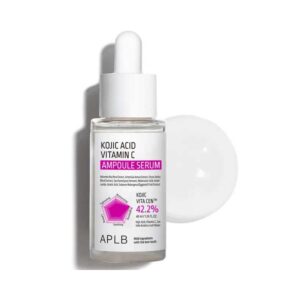
APLB Kojic Acid Vitamin C Ampoule Serum 40ml
Original price was: ৳ 1,300.00.৳ 910.00Current price is: ৳ 910.00.
View Details
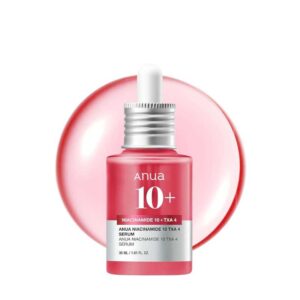
ANUA Niacinamide 10%+ TXA 4% Serum (30ml)
Original price was: ৳ 3,160.00.৳ 2,212.00Current price is: ৳ 2,212.00.
View Details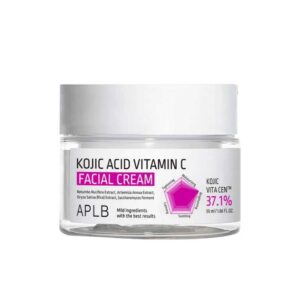
APLB Kojic Acid Vitamin C Facial Cream 55ml
Original price was: ৳ 1,380.00.৳ 966.00Current price is: ৳ 966.00.
View Details
How Ellagic Acid Works on Skin
Ellagic Acid interferes with melanin pathways, which can reduce existing dark spots. Clinical and lab studies indicate it can block key enzymes related to pigment formation. That means treated skin may show a more even tone over time.
Antioxidant action
As an antioxidant, Ellagic Acid neutralizes free radicals that harm skin. Research suggests antioxidants slow photoaging and pigment formation after sun exposure. This protective role supports healthier skin tone when paired with sun protection.
Melanin inhibition
Ellagic Acid can inhibit tyrosinase, the enzyme that drives melanin production. Because less melanin forms, hyperpigmented patches may fade. This effect contributes to its reputation as a pigmentation reducing compound.
Collagen and structural support
Some studies indicate Ellagic Acid may support collagen health by reducing inflammatory stress. Healthier collagen helps skin appear firmer and more even. That effect complements pigment reduction for an improved appearance.
Sources: The Berry Antioxidant Ingredient and More
Berries rank among the richest sources of Ellagic Acid. Strawberries, raspberries, and blackberries contain measurable amounts. For shoppers, products labeled with berry extracts often highlight Ellagic Acid content.
Aside from berries, pomegranate and certain nuts also supply Ellagic Acid. Food forms contribute dietary benefits while topical extracts target skin directly. That dual availability makes it a versatile berry antioxidant ingredient for users.
Evidence: What Research Indicates
Studies showEllagic Acid has both lab and small clinical support for pigment control. Research indicates topical preparations can reduce dark spots with regular use. However, larger trials would strengthen confidence about long-term effects.
Dermatologists often reference studies that compare Ellagic Acid to established depigmenting agents. While results vary, many trials report mild to moderate improvement. This means shoppers should set realistic expectations and allow time for results.
Comparing Ellagic Acid to Other Ingredients
Ellagic Acid differs from hydroquinone and retinoids in its gentler profile. For example, hydroquinone can be strong and irritating for some people. That makes Ellagic Acid an attractive option for sensitive skin types seeking pigment correction.
When combined with vitamin C or niacinamide, Ellagic Acid may yield additive benefits. Research suggests multi-ingredient formulas can address both pigment production and oxidative stress. Still, formulation quality affects outcomes more than any single ingredient.
How to Use Ellagic Acid in Skincare
Topical serums and creams deliver Ellagic Acid directly to skin. For meaningful results, apply consistently, usually once or twice daily as directed. This regular use allows the compound to influence pigment pathways over several weeks.
When adding Ellagic Acid, always use sunscreen daily. Sun exposure can undo gains in pigmentation control. That is why sun protection remains the primary defense against new dark spots.
Concentration and formulation tips
Look for products that declare extract source or percentage when possible. A stable formula keeps Ellagic Acid effective during storage. Also, formulas that mix with supportive antioxidants tend to perform better in tests.
Routine placement
Apply Ellagic Acid serums after cleansing and before heavier creams. That helps active molecules penetrate more effectively. For layered routines, wait for thin products to absorb before adding thicker ones.
Oral Supplements: Benefits and Limits
Some sellers offer oral Ellagic Acid or berry extracts as supplements. Research shows dietary polyphenols can support systemic antioxidant defenses. Yet, oral bioavailability varies and may limit direct effects on skin tone.
Because the body metabolizes Ellagic Acid, blood levels differ from topical application. That means supplements may help overall skin health but may not match topical depigmenting effects. For targeted pigment reduction, topical forms tend to be more direct.
Safety, Side Effects, and Interactions
Ellagic Acid generally shows a favorable safety profile in studies. Most users report low irritation when using well-formulated topical products. Patch testing new products reduces the risk of an adverse reaction.
Still, people with sensitive or reactive skin should proceed cautiously. If irritation occurs, stop using the product and consult a healthcare professional. Also, discuss supplements with your provider if you take prescription medications.
How to Read Labels and Choose Products
Check ingredient lists for Ellagic Acid or named extracts like pomegranate and raspberry. Brands that list specific extract concentrations help shoppers compare options. Transparent labels and third-party testing add trust.
Because formulation matters, favor products from reputable manufacturers. That means brands with published testing or clinical results when possible. For budget options, focus on concentration and complementary antioxidants.
Common Uses and Real-World Results
Shoppers use Ellagic Acid for sunspots, post-inflammatory hyperpigmentation, and age spots. Many report gradual fading of pigmentation with continued use. Testimonials often cite improved brightness and more even tone.
Professional treatments may combine topical Ellagic Acid with procedures like chemical peels. Research suggests combined approaches can provide greater improvement than one method alone. That said, professional guidance helps tailor the best plan.
DIY and Natural Sources
Some people try homemade berry masks to tap natural Ellagic Acid. Fresh mashed berries deliver a complex mix of compounds that can slightly brighten skin. However, concentration and stability sit far below what cosmetic formulas offer.
For meaningful results, store-bought formulations tend to be more reliable. Still, DIY masks may offer temporary freshness and hydration benefits. Use them as a complement to, not a replacement for, proven topical products.
Price and Value: What to Expect
Products with Ellagic Acid cover a wide price range. High-end serums cost more for branded extracts and stability research. Yet, mid-range options can offer similar ingredient profiles at lower cost.
Consider overall formulation, testing, and packaging when judging value. Air-tight pumps and dark glass can preserve Ellagic Acid longer. That is why packaging matters for maintaining potency.
Shopping Tips for General Online Shoppers
Read ingredient lists and avoid vague claims that name no active concentration. Reviews with before-and-after images can help gauge real results. Still, prioritize products with clear ingredient disclosure and sensible claims.
Check return policies and trial sizes when available. Trying a small size reduces waste if the product does not suit you. Also, compare product timelines; many need weeks to show visible changes.
Frequently Asked Questions
Does Ellagic Acid really reduce dark spots?
Research indicates Ellagic Acid can inhibit melanin pathways and reduce certain dark spots. Results vary by formulation and consistent use. Topical products typically work better for targeted pigment control than oral supplements.
Is Ellagic Acid safe for sensitive skin?
Many users with sensitive skin tolerate Ellagic Acid well in gentle formulas. Patch testing before regular use helps detect irritation. If redness or discomfort appears, stop use and consult a dermatologist.
Can I use Ellagic Acid with sunscreen and vitamin C?
Yes, combining Ellagic Acid with sunscreen enhances pigment control and prevention. Using stable vitamin C with Ellagic Acid often complements antioxidant benefits. Apply sunscreen every day to protect and preserve results.
How long until I see results from Ellagic Acid?
Most people see changes after several weeks of consistent use. Clinical timelines vary, and some users need several months for notable fading. Patience and sun protection speed progress and protect improvements.
Final Thoughts
Ellagic Acid offers a gentle, evidence-backed option to address uneven tone and protect skin from oxidative damage. For shoppers seeking a pigmentation reducing compound, choose stable topical products and use sunscreen daily. Try a proven formula consistently, and consult a professional if you have concerns about mixing actives.