
Cupuacu Butter Benefits & Uses for Skin

Dry skin and frizzy hair can feel limiting when products leave residue or fail to last. Cupuacu Butter offers a richer alternative for people who want lasting hydration without heavy greasiness. Many shoppers find this ingredient delivers visible softness with regular use.
What is Cupuacu Butter?
Cupuacu Butter comes from the seeds of the Theobroma grandiflorum tree, a rainforest species related to cacao. The butter forms when seed pulp is cold-pressed and then gently processed into a creamy paste. Because of its texture, Cupuacu Butter often appears in lotions, balms, and creams as a plant-based emollient.
Studies show seed fats from Amazonian trees can provide high water-holding capacity. As a result, Cupuacu Butter has a reputation for strong moisture support in topical products. That reputation helps explain why cosmetic makers call it an amazonian butter ingredient on labels.
Recommended Products
 Sale
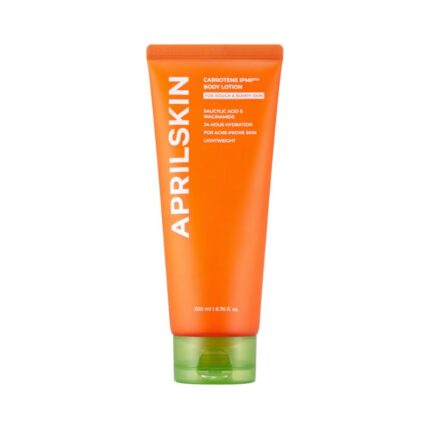
SaleOriginal price was: ৳ 2,900.00.৳ 2,030.00Current price is: ৳ 2,030.00.
 Sale
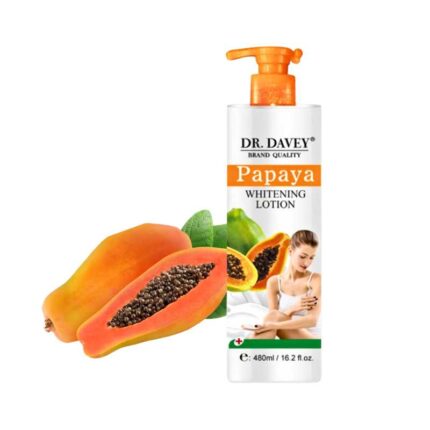
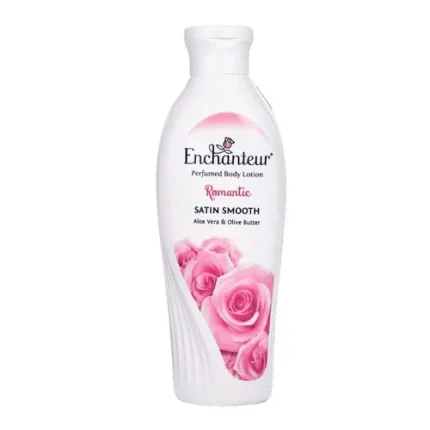
SaleOriginal price was: ৳ 900.00.৳ 790.00Current price is: ৳ 790.00.
 Sale
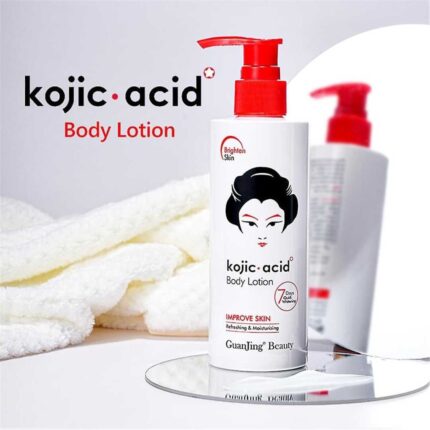
SaleOriginal price was: ৳ 850.00.৳ 750.00Current price is: ৳ 750.00.
Origins and Traditional Use
The tree that yields Cupuacu Butter grows mainly in the Amazon basin. Indigenous communities have used the fruit pulp and seeds for food and skin care for generations. Today the butter is harvested in areas where the tree thrives, supporting local economies when sourced ethically.
Because traditional harvests favor small producers, many Cupuacu supply chains are community based. Buyers often pay premiums for fair trade or cooperative arrangements. This means ethical sourcing can boost livelihoods while preserving forest areas.
Chemical Makeup and Moisture Benefits
The makeup of Cupuacu Butter differs from common butters like shea or cocoa. It contains a mix of fatty acids, sterols, and other lipids that give it unique behavior on skin. Research indicates these constituents help trap moisture and improve barrier function.
Fatty Acids
Oleic and stearic acids form part of the fatty acid profile in Cupuacu Butter. These fats create a smooth feel on the skin and hair. Dermatologists note that such fatty acids can support lipid layers in the outer skin.
Phytosterols and Tocopherols
Phytosterols act as natural stabilizers and can help soothe irritated skin. Tocopherols, a form of vitamin E, provide antioxidant support. As a result, the butter helps neutralize environmental stressors that dry skin.
Water-Holding Capacity
Cupuacu Butter has a notable ability to bind water to skin. That is why formulators often label it as a moisture retaining compound. When used in creams, it can improve product spread and boost hydration longevity on skin.
Why the Texture Matters
The texture of Cupuacu Butter ranges from creamy to slightly tacky depending on processing. Cold-pressed, minimally refined butter keeps more of its native components. This texture helps it glide over skin without feeling greasy for many users.
Since Cupuacu is softer than cocoa butter, it melts at a lower temperature. That property makes it easier to blend into creams and hair masks. For DIY crafters, lower melting means faster mixing and less heat exposure of active ingredients.
Skin Benefits Backed by Expert Guidance
Dermatologists recommend plant-derived emollients for dry and sensitive skin types. Cupuacu Butter delivers lipids that mimic the skin’s natural oils. Clinical practice suggests that restoring lipids supports barrier repair and reduces transepidermal water loss.
Studies show plant butters help with skin feel and hydration when used consistently. For example, regular application can reduce tightness and flaking in dry areas. That said, individual responses vary based on skin condition and product formulation.
How Cupuacu Butter Works on Hair
Hair benefits come from Cupuacu Butter’s ability to coat and soften strands. The butter smooths cuticle scales and reduces friction during combing. As a result, hair appears shinier and tangles less often after treatment.
Because the butter penetrates the hair shaft less than oils, it provides surface conditioning without heavy buildup. That feature makes Cupuacu Butter suitable for fine to medium hair types seeking hydration. For coarse or porous hair, mixing with light oils can boost penetration and manageability.
Formulation Tips for Home and Makers
When making products at home, choose unrefined or minimally refined Cupuacu Butter for maximum benefits. Melt it gently and combine with carrier oils for a balanced finish. Always test a small skin area to check for sensitivity before wider use.
For product makers, Cupuacu Butter mixes well with emulsifiers and humectants. Because of its water-holding properties, brand formulators pair it with glycerin or hyaluronic acid to extend surface hydration. That means consumers get a layered approach to moisture.
How to Choose Cupuacu Butter Products
Look for clear labeling about source and processing when buying Cupuacu Butter items. Organic or fair-trade labels can signal ethical practices but read ingredient lists too. Products that list Cupuacu Butter high in the formula typically deliver stronger effects.
Because scent and texture vary by processing, try sample sizes when possible. If you prefer unscented products, choose formulas without added fragrance. This approach reduces the chance of irritation for sensitive skin types.
Comparing Cupuacu Butter with Other Butters
Shea butter offers a creamy, rich feel and is widely used in cosmetics. Cupuacu Butter tends to feel lighter while holding more water. This difference makes Cupuacu a useful alternative for formulations that need hydration without excess greasiness.
Cocoa butter provides a firm texture and a deep scent that some consumers love. Cupuacu melts more easily and blends better into body butters and hair masks. For this reason, many brands mix Cupuacu with other butters to tune feel and performance.
Using Cupuacu Butter in DIY Recipes
For a simple body balm, melt Cupuacu Butter with a light carrier oil and add beeswax if you want a firmer finish. Cool the mixture with gentle stirring to trap a creamy texture. Store balms in a cool, dark place to maintain stability.
As a hair mask, warm a small amount of Cupuacu Butter with coconut or argan oil. Apply to mid-lengths and ends, then rinse after 20 to 30 minutes. That routine helps tame frizz and adds slip for easier detangling.
Safety and Allergy Considerations
Most people tolerate Cupuacu Butter well, but patch testing is wise for new products. Apply a small amount to inner forearm and wait 24 hours to watch for redness or itch. If any irritation appears, stop use and consult a healthcare provider.
People with severe tree nut allergies should exercise caution and check product sourcing. Some Cupuacu suppliers process other nuts, so cross-contact is possible. Clear labeling helps buyers make safer choices.
Sustainability and Ethical Sourcing
Because Cupuacu comes from Amazonian trees, sustainable harvest practices matter. Ethical sourcing that supports local harvesters reduces pressure on forests. For example, cooperatives can pay stable prices and protect community land rights.
Buyers can look for third-party certifications or brand transparency when choosing products. That step makes it easier to favor companies that invest in sustainable practices. As a result, responsible choices can support forest conservation and local incomes.
Common Product Types Featuring Cupuacu Butter
Cupuacu Butter appears in body butters, face creams, lip balms, hair masks, and soaps. Formulators use it where long-lasting moisture and a smooth feel are desired. Because it blends easily, producers add it to both rinse-off and leave-on products.
When checking labels, note whether Cupuacu Butter is full ingredient or fractionated. Full butter keeps more native compounds. Fractionation can change texture but may reduce some beneficial components.
Price and Availability
Price depends on source, processing, and certification. Organic or fair-trade options often cost more. Still, many users find the performance justifies the price when it replaces several other products.
Availability has grown as brands expand natural ingredient lines. You can find Cupuacu Butter in mainstream stores and specialty shops. That means shoppers have options at various price points and product formats.
How to Read Labels Effectively
Check ingredient order to see how much Cupuacu Butter a product actually contains. Ingredients are listed by weight, so earlier placement suggests higher concentration. Look for complementary ingredients like glycerin, ceramides, or hyaluronic acid for multi-layer hydration.
Since marketing terms vary, avoid relying solely on buzzwords. Instead, focus on ingredients and user reviews. That approach helps determine if a product will meet your hydration and sensory preferences.
Practical Tips for Daily Use
Apply Cupuacu Butter to damp skin to lock in moisture more effectively. For face use, choose lighter formulations to reduce pore clogging risk. For hands and body, thicker balms can treat very dry patches overnight.
When using on hair, start with a small amount to avoid buildup. Work product through ends first and use sparingly at the roots. Doing so preserves volume while improving softness and shine.
Consumer Experiences and Testimonials
Many consumers report faster relief from winter dryness after switching to products with Cupuacu Butter. Others praise its handling in hair masks and styling balms. While personal experiences vary, consistent reports support its functional value for hydration.
Because reviews differ, sample products when possible to find the best match. That method saves money and ensures you get a texture and scent you like. If a brand offers travel sizes, try those before committing to full jars.
Research and Evidence
Research indicates plant-based butters can improve skin barrier function and hydration. Some lab studies show seed fats increase water-holding capacity in topical formulations. That evidence helps explain why Cupuacu Butter attracts interest from formulators and consumers.
Dermatologists often recommend emollients and lipids for dry skin care routines. For this reason, Cupuacu Butter appears in products aimed at restoring skin comfort. Still, large clinical trials specific to Cupuacu are limited and ongoing research may expand understanding.
Where Cupuacu Butter Fits in a Skincare Routine
Use a serum with humectants first, then apply a cream containing Cupuacu Butter to seal moisture. That layering approach takes advantage of the butter’s moisture retaining compound properties. For night routines, heavier balms with Cupuacu can repair very dry skin while you sleep.
For oily or acne-prone skin, choose lightweight formulations with small amounts of Cupuacu Butter. Spot test to ensure it does not exacerbate breakouts. If concerns remain, seek products formulated for your skin type by a dermatologist.
Common Myths and Misconceptions
Some people think all natural butters clog pores. That belief is not always true. Cupuacu Butter has a different lipid profile than heavier butters and often feels less occlusive.
Another myth claims plant butters lack scientific support. However, multiple studies on plant lipids and skin barrier repair back their use. This means that evidence supports thoughtful incorporation into routines when chosen appropriately.
How Brands Highlight Cupuacu Butter
Brands often market Cupuacu Butter based on hydration and tropical origins. Packaging tends to emphasize natural sourcing and a silky texture. Savvy brands also share sourcing details so buyers can assess ethical and environmental considerations.
Because transparency matters, look for brands that describe community benefits or traceability. That extra information helps buyers align purchases with values. It also makes differences in price and processing clearer.
Environmental Impact and Conservation
Responsible Cupuacu harvesting helps maintain biodiversity and forest health. When local communities manage harvests, they have incentives to protect tree populations. Sustainable practices include seasonal picking and avoiding clear-cutting.
That said, increased demand can put pressure on ecosystems when supply chains lack oversight. Consumers who care about sustainability may choose brands that report on sourcing and conservation efforts. This choice supports both environment and community livelihoods.
Tips for Traveling with Cupuacu Products
Solid balms with Cupuacu Butter travel well and meet carry-on rules. Place them in small, labeled containers for convenience. For liquid creams, check product packaging to prevent leaks and preserve shelf life.
Because heat can soften unrefined butter, store it in a cool bag during warm travel. That simple step prevents messy jars and maintains product integrity. Many travelers prefer compact sticks for on-the-go hydration.
Price vs. Performance: What to Expect
Higher prices often reflect organic certification or fair trade premiums. Performance depends on concentration and overall formula, not price alone. Smart shoppers compare ingredients and look for complementary humectants and actives for the best value.
For budget options, blends that include Cupuacu Butter with cost-effective oils can still provide benefits. Yet for targeted repair, full-butter formulas may outperform diluted alternatives. Choosing depends on your needs and how you plan to use the product.
Future Trends for Cupuacu Butter
As demand grows, expect more innovation with blends and delivery systems. Formulators experiment with lightweight carriers to keep the butter feel thin on skin. That trend aims to widen the butter’s appeal across skin types.
Eco-conscious sourcing will likely become more visible on labels. Brands that invest in traceability and community programs may stand out. In short, Cupuacu Butter looks set to move from niche to mainstream in planned, ethical ways.
Frequently Asked Questions
Is Cupuacu Butter good for dry skin?
Yes, Cupuacu Butter is well suited for dry skin because it supports hydration and barrier repair. Many users find it reduces flaking and improves skin softness when used regularly. For severe dryness, pair it with humectants for extra moisture.
Can I use Cupuacu Butter on my hair?
Yes, Cupuacu Butter can smooth and condition hair, especially mid-lengths and ends. Use small amounts or mix with a light oil to avoid buildup. Regular treatments help manage frizz and improve combability.
How do I choose a quality Cupuacu Butter product?
Look for clear sourcing and processing information on labels and choose minimally refined butter where possible. Check ingredient order to see concentration and prefer formulas with complementary humectants. Sampling small sizes helps confirm texture and scent preferences.
Are there any allergy risks with Cupuacu Butter?
Allergic reactions are rare but possible, so perform a patch test before wider use. People with severe tree nut allergies should check for cross-contact warnings. If irritation occurs, stop use and consult a healthcare professional.
Final Thoughts
For lasting hydration and a smooth feel, Cupuacu Butter stands out as a versatile amazonian butter ingredient. Try products that combine it with humectants for best results and pick ethically sourced options when possible. Start with a small product sample and use the butter as part of a layered routine for visible softness and improved skin comfort.